
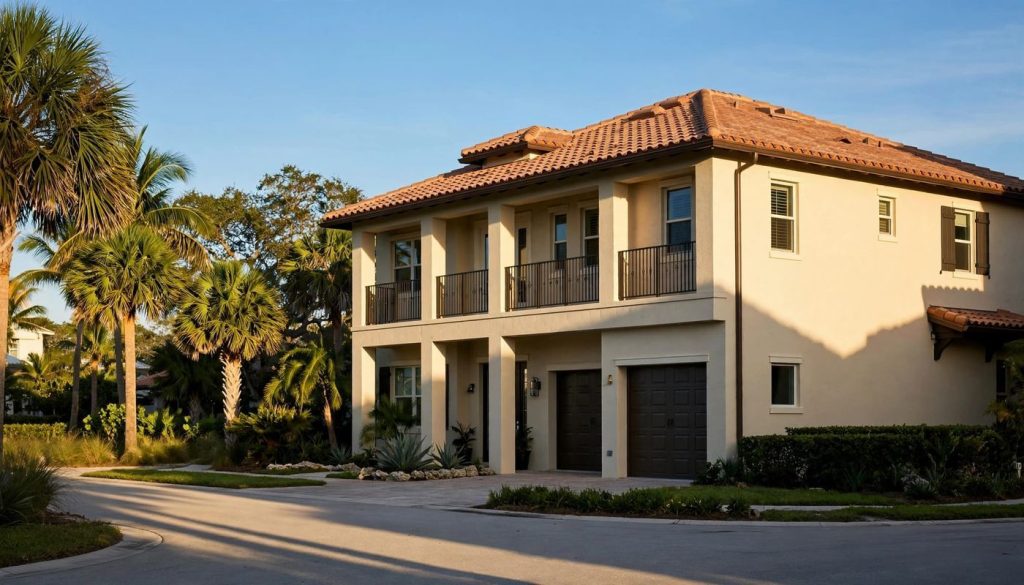
Fading, chalking, or peeling paint on your home or commercial building in Palm Harbor isn’t just an eyesore. It is the first sign that your property is losing its defense against a punishing local climate. This guide covers why Florida weather breaks down exterior coatings so fast, what proper prep and application actually involve, how pricing works, and what to expect from residential painting services in the Palm Harbor area.
Exterior house painting in this region requires a specific approach because standard methods fail under high humidity and intense UV exposure. A proper job involves thorough power washing, scraping loose material, repairing stucco cracks, sealing all seams with high-grade caulk, applying a dedicated primer, and finishing with two coats of premium paint or elastomeric coating.
If you want an expert evaluation of your property’s current condition, contact Curb Appeal Pros today to request a straightforward free estimate.
Key Takeaways
- Exterior paint in the Palm Harbor area faces relentless UV, humidity, salt air, and heavy rain, so it breaks down faster than in drier climates and must be chosen and applied for coastal conditions.
- Proper surface preparation—power washing, scraping, sanding, stucco crack repair, caulking, and priming—is the single biggest factor in whether a paint job lasts.
- Pricing depends on square footage, height and access, prep work, trim detail, and paint quality; the lowest bid often skips primer, repairs, or full coats.
- A quality system uses 100% acrylic latex or elastomeric coatings and two full coats, typically lasting five to ten years on well-maintained stucco in this region.
- Before hiring, ask about prep included, products, warranty, lead paint handling on pre-1978 homes, and local references; Curb Appeal Pros offers free estimates across Tampa Bay.
Why Exterior House Painting Matters More in Florida
Paint is your property’s first line of defense against the elements. In Pinellas County and Hillsborough County, the sun, heavy humidity, salt air, and torrential summer rains break down exterior coatings much faster than they do in drier regions. Choosing the right coating protects your stucco and siding from structural decay while boosting curb appeal and property value. Owners Joey Vumbaco and Jay McGarrity built Curb Appeal Pros around this exact local reality.
What Sun, Humidity, and Salt Air Do to Painted Sides
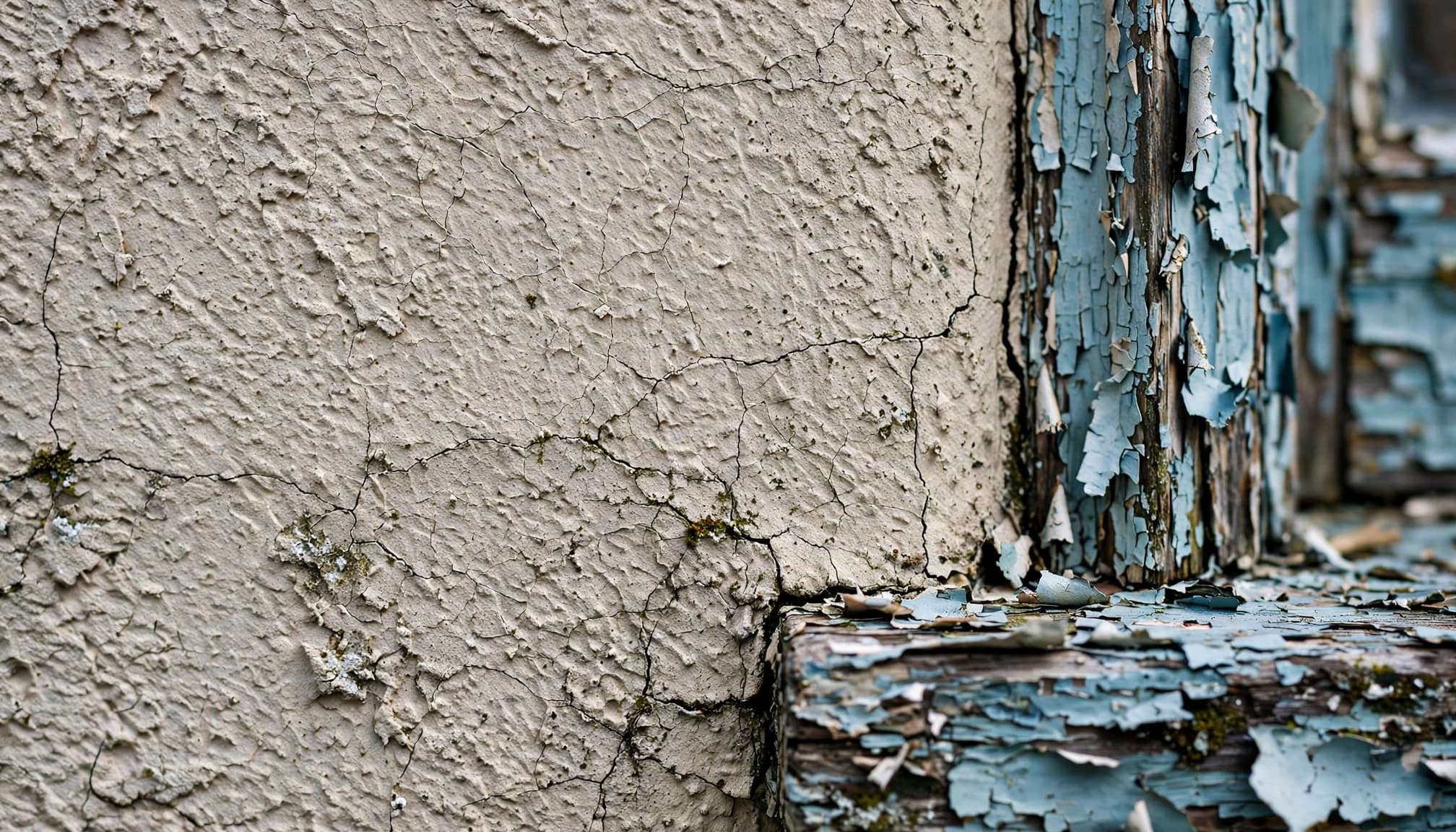
Ultraviolet radiation breaks down exterior paint resins over time, leading to severe fading and chalking where the powdery pigment residue washes away. High humidity traps moisture inside walls, which causes blistering and peeling when daytime heat pushes that vapor outward. If your building sits close to the coast, salt spray accelerates rust on metal fasteners and breaks down vulnerable paint films. South-facing and west-facing walls take the heaviest beating from the sun, which is why those elevations usually show wear and tear first.
When Peeling Paint Is a Warning About Water Damage
Peeling is often the first visible sign of paint failure, and it rarely means the previous coat simply gave up. It usually points to moisture trapped behind the wall or a failed caulk line around windows and doors. Moisture migrating through stucco destroys paint adhesion from the inside out. Cracked stucco and open construction seams let driving rain soak directly into the substrate. Repainting over these problem spots without fixing the underlying source wastes money because moisture will push through the new paint within months.
If you notice bubbling or flaking near your windows, it pays to have an expert look closer. Curb Appeal Pros can inspect your exterior and identify the source of moisture before any paint goes on your walls. Check out our stucco repair services in Tampa Bay to see how we handle structural moisture issues before painting.
What Changes the Price of Exterior House Painting
Pricing for exterior house painting, a critical home improvement investment, depends on several practical factors rather than arbitrary numbers. An experienced painting contractor evaluates the total square footage, building height, amount of prep work required, and the specific materials needed for your walls. A straightforward single-story home with sound stucco costs less to paint than a multi-story building with extensive wood trim, rotting fascia boards, and hairline cracks that require patching.
Size, Height, and How Much Prep the House Needs
Square footage sets the baseline for any painting project. Taller homes or commercial buildings require ladders, scaffolding, or boom lifts to reach upper stories safely, which adds labor time. The condition of your existing exterior dictates how much scraping, sanding, and washing the crew must perform. Detailed trim, decorative shutters, and complex multi-color schemes also increase labor hours because they require meticulous hand-brushing.
Paint Quality, Coats, and Why the Lowest Bid Rarely Wins
A cheap bid often hides shortcuts like skipping primer, applying a single thin coat, or using low-grade paint that chalks within two years. A proper professional system includes comprehensive surface preparation followed by two full coats of high-grade product. Professional estimates also include a clear limited warranty on labor and materials. When you compare estimates, look closely at the line items for prep work and product specifications.
Take time to request a written quote from Curb Appeal Pros. The quote includes a free estimate, so you can review every detail line by line and see what you are actually paying for. You can also explore our Tampa house painters overview to learn more about our residential approach.
How Long a Quality Exterior Paint Job Should Last
Property owners often ask how long their investment will hold up against Florida weather. With proper surface preparation and high-quality products, exterior paint usually lasts between five and ten years on well-maintained stucco. Coastal exposures with heavy wind-driven rain and intense direct sun often lean toward the shorter end of that range. The lifespan of your paint depends almost entirely on the quality of the prep work and the materials selected. For a deeper look at this topic, read this guide on the lifespan of exterior paint on stucco.
Getting the Surface Ready Before Any Paint Goes On
Surface preparation is the single most important factor in whether your new paint job lasts or fails within a year. A professional painting crew follows a strict sequence: wash, scrape, sand, repair, caulk, prime, and paint. Skipping any of these steps compromises the entire system.
Washing, Scraping, Patching Stucco, and Sealing Joints
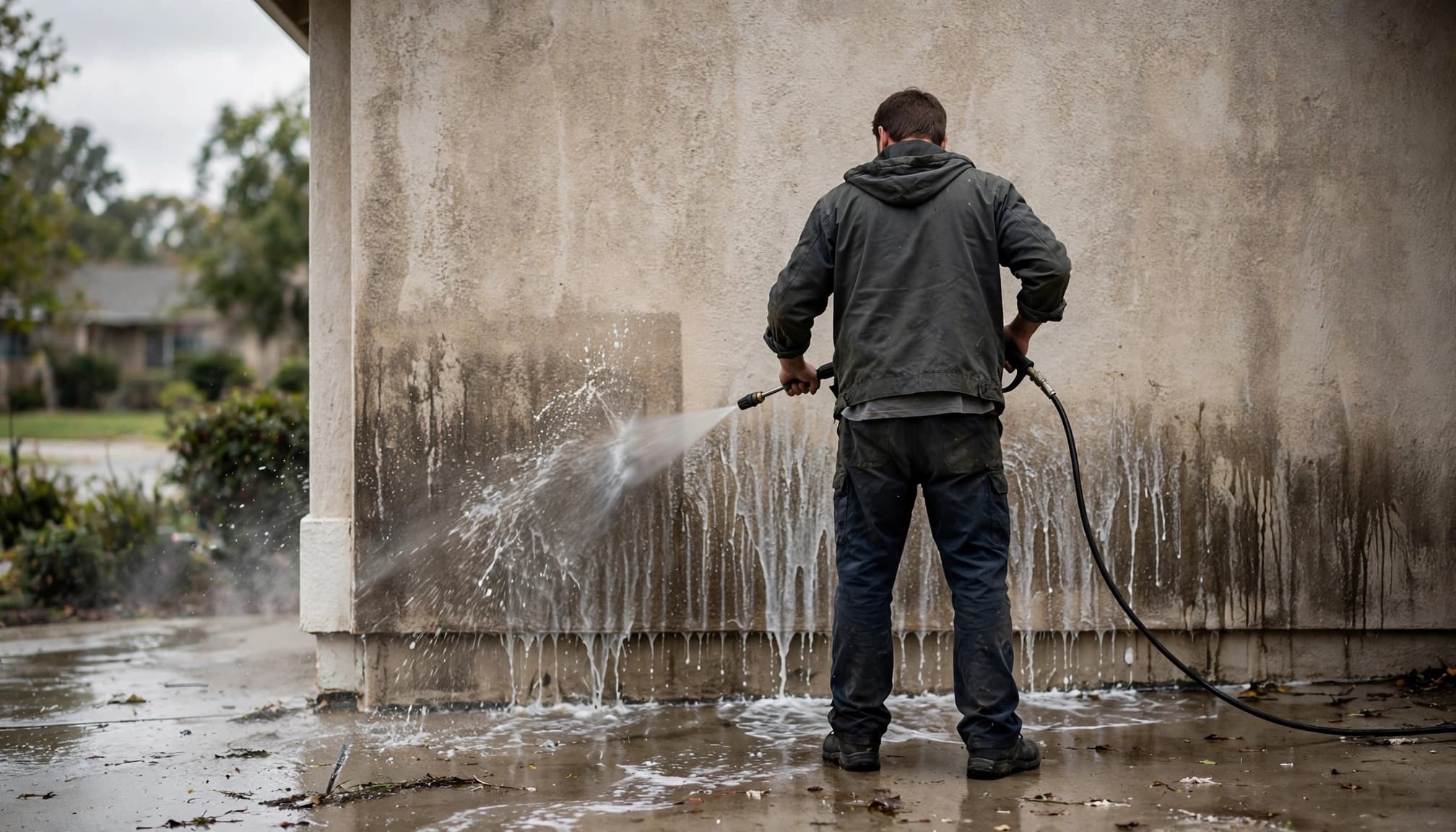
Power washing removes accumulated dirt, chalk, mildew, and salt residue from exterior walls. Careful power washing strips away chalk and salt without eroding delicate masonry. Once the surface dries, workers scrape away loose or flaking paint and sand the edges smooth. Masons then patch cracks in stucco and fill gaps around windows, doors, and trim using flexible, quick-drying caulk. Bare masonry and repaired areas receive a dedicated spot primer to seal the porous substrate and head off a long paint cure time. Stucco requires different application techniques and sealants than wood siding or fiber cement, so stucco painting prep is its own job. Learn more about our approach through our stucco repair and preparation services.
Lead Paint Checks on Older Tampa Bay Homes
Older homes built before 1978 often contain lead-based paint on their exterior surfaces. Sanding or scraping these older layers without proper precautions can release hazardous dust and create regulatory liabilities. Contractors working on older properties must follow strict guidelines to protect occupants and workers. You can review the official requirements through the EPA Lead Renovation, Repair and Painting Program. Curb Appeal Pros can help you identify potential lead concerns and coordinate proper testing before any sanding begins. Contact our team to schedule an initial walkthrough.
Choosing Paint and a Contractor for Coastal Weather
Selecting the right products for Florida weather prevents premature paint failure. Modern 100% acrylic latex paints and elastomeric coatings provide the flexibility and moisture resistance needed for coastal environments. Proper exterior paint selection also matters under high UV and salt conditions. Hiring a qualified local contractor ensures these materials are applied correctly.
Picking the Right Paint and Finish for Stucco and Siding
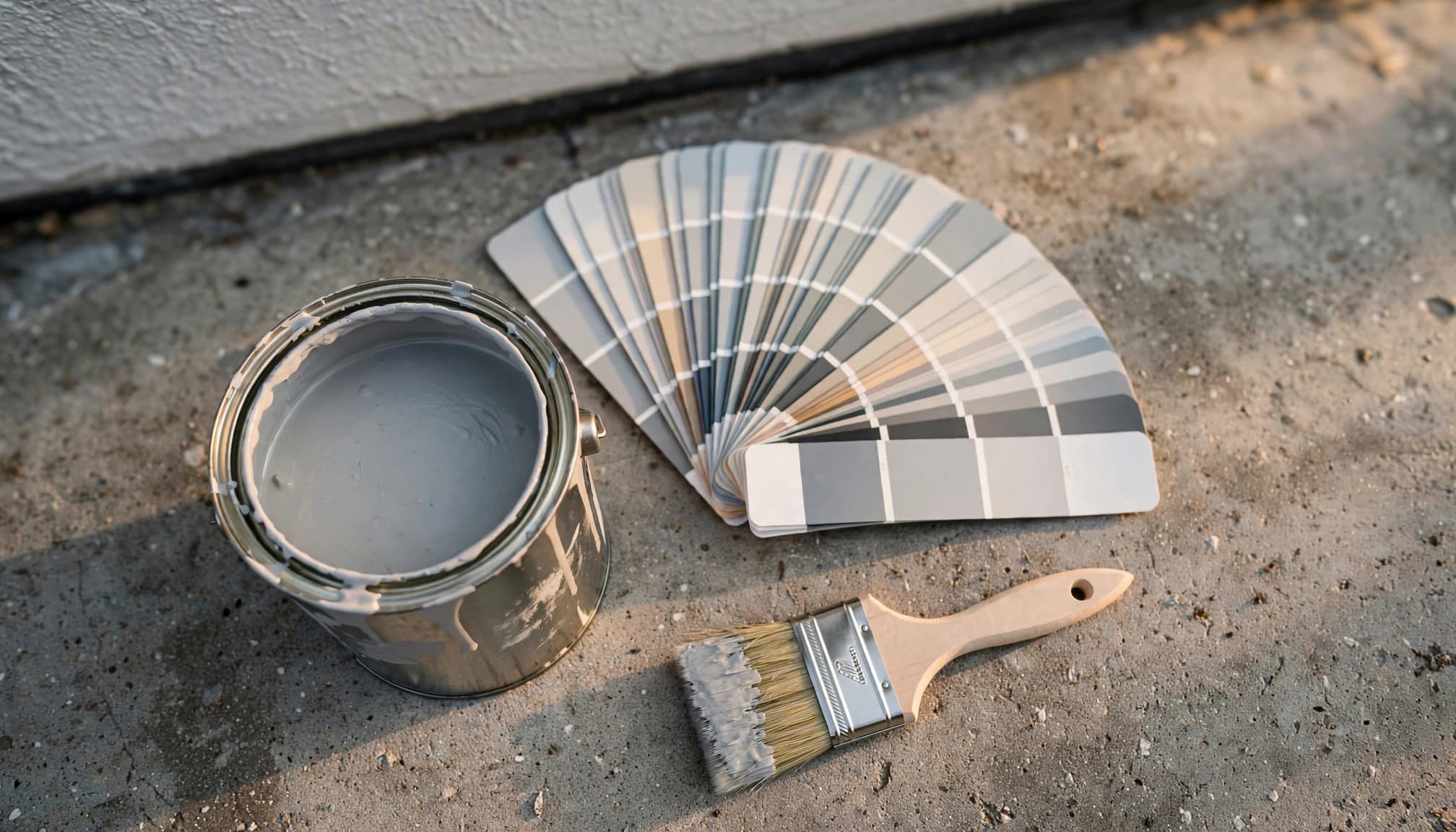
Standard flat paints absorb moisture and stain easily in humid climates. Satin or low-sheen finishes offer better moisture resistance and wash clean much easier. For stucco surfaces, an elastomeric coating for masonry provides an exceptionally thick, rubberized barrier that bridges hairline cracks and prevents wind-driven rain from penetrating the wall. After priming, a uniform, protective coat of paint helps seal the surface. Siding typically requires exterior paint with 100% acrylic latex for maximum adhesion and color retention under heavy UV exposure. Compare elastomeric versus latex paints carefully, since each performs differently on coastal homes. When choosing colors, remember to check your neighborhood HOA guidelines for approved palettes.
Tampa winter weather spells are brief, but they can still shift application schedules. Cold weather painting depends on the science of how coatings cure, not just the calendar. Crews should gauge wall surface temperature rather than relying only on ambient air temperature. Exterior coatings cannot cure below their minimum film-forming temperature. Advanced low-temperature exterior paints maintain proper curing when conditions cool.
Sherwin-Williams Latitude is an exceptional exterior product engineered with ClimateFlex technology. Sherwin-Williams Latitude also provides rapid early rain resistance and low-temp dependability.
Questions to Ask Before You Hire Anyone
Ask prospective contractors detailed questions about their process before signing an agreement. Find out exactly how much prep work is included in the bid and whether caulking and minor repairs are part of the base price. Ask which specific paint brands and product lines they plan to use. Request an exterior color consultation to make sure the palette suits your home and the coast. An exterior color consultation also helps balance aesthetic color palettes with HOA rules and fade resistance. Inquire about crew size, daily schedule, and how they protect landscaping, windows, and outdoor furniture. Before signing, vet professional painters by checking local references from recent projects in Palm Harbor, Dunedin, or Clearwater. Call Curb Appeal Pros today to discuss your project or request a detailed estimate for your home or commercial building.
Frequently Asked Questions
How long does exterior house painting last in Tampa Bay?
With proper prep and premium products, exterior paint usually lasts five to ten years on well-maintained stucco. Coastal homes with intense sun, salt air, and wind-driven rain often fall toward the shorter end of that range.
Why is my exterior paint peeling?
Peeling usually means moisture is trapped behind the wall or a caulk line has failed around windows and doors. Repainting without fixing the source will cause the new coat to fail again within months.
What does exterior painting cost in the Tampa Bay area?
Pricing depends on square footage, building height, prep work, trim detail, and the paint system selected. A straightforward single-story stucco home costs less than a multi-story property with repairs and extensive trim.
What prep work should be included?
A proper job includes power washing, scraping loose paint, sanding, patching stucco cracks, sealing joints with high-grade caulk, and applying primer where needed. Skipping any of these steps shortens the life of the paint job.
Do older Tampa Bay homes need lead paint testing?
Homes built before 1978 may contain lead-based paint, and sanding or scraping can release hazardous dust. Contractors should follow EPA lead-safe practices, and testing should be coordinated before prep begins.
Final Thoughts
Protecting your property from the Florida climate comes down to choosing quality materials and refusing to cut corners on surface preparation. Rigorous power washing paired with premium coatings is what delivers multi-year protection. The lowest bid almost always skips essential prep steps and uses inferior exterior paint that fails within a few seasons. Walk the perimeter of your building today, note any cracked stucco or peeling paint, and request a comprehensive free estimate that outlines every phase of the work. Joey Vumbaco and Jay McGarrity lead a dedicated team at Curb Appeal Pros ready to serve property owners across Palm Harbor, Dunedin, Clearwater, St. Petersburg, and the entire Tampa Bay area. Contact our office today to schedule your consultation.