
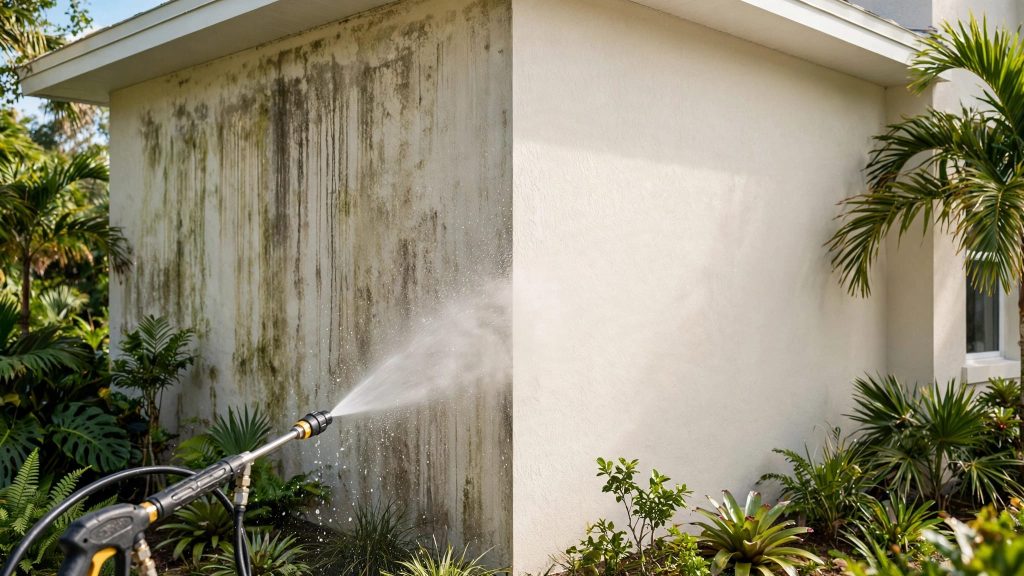
Florida’s intense sun, heavy afternoon rains, and constant humidity leave a stubborn film of dirt, mold and mildew, and chalky residue across exterior siding, stucco, and trim, which causes paint to fail prematurely. Property owners across Palm Harbor and Pinellas County often notice that before scheduling any painting project, pressure washing exterior surfaces removes that accumulated layer so fresh coatings can bond properly. Joey Vumbaco and Jay McGarrity at Curb Appeal Pros know that surface prep dictates whether a paint job lasts for years or peels within a single season. This guide covers what pressure cleaning accomplishes, why skipping it leads to costly failures, and how to handle exterior preparation correctly. If you need expert help right now, you can Call (727) 222 – 1399 to schedule a consultation.
Key Takeaways
- Pressure washing exterior surfaces is a critical prep step, not just cosmetic cleaning. It removes dirt, pollen, mold, mildew, salt spray, and chalky paint residue so primer and paint can bond to a clean, dry, sound substrate.
- Florida’s humidity, intense sun, and heavy rains accelerate biological growth and paint breakdown, making proper washing especially important in Palm Harbor, Pinellas County, and across the Tampa Bay area.
- Match the method to the material: pressure washing works for concrete, brick pavers, and durable surfaces, while stucco, wood, vinyl siding, and shingles often require lower pressure or soft washing.
- Skipping the wash can void paint warranties and lead to peeling, bubbling, trapped moisture, hidden rot, and costly premature repainting.
- Most Tampa Bay homes benefit from annual exterior cleaning, while coastal, shaded, or heavily treed properties may need washing twice a year. Always wash immediately before painting or when mildew returns.
Pressure washing uses a focused stream of water to lift off embedded dirt, pollen, spider webs, mold, mildew, and old chalky paint residue that has bonded to siding, stucco, soffit, and fascia. This process is strictly about surface preparation rather than simple cosmetic cleaning. Florida homes experience significantly more biological growth and airborne buildup than properties in drier climates due to year-round humidity. Understanding this step clarifies why professional painters make washing the absolute starting point of any project.
Where All That Grime Comes From
External build-up originates from several distinct environmental sources across the Tampa Bay area. Airborne dust, heavy pollen seasons, and persistent mildew thrive in shady corners and north-facing walls. Coastal salt spray adds grit that settles into textured stucco. Furthermore, aging paint breaks down under ultraviolet rays, leaving behind a fine chalky powder. According to insights on exterior painting services, this microscopic layer looks harmless, but it acts as a barrier that prevents new paint from grabbing the wall.
Pressure Washing vs. Soft Washing: Matching the Method to the Surface
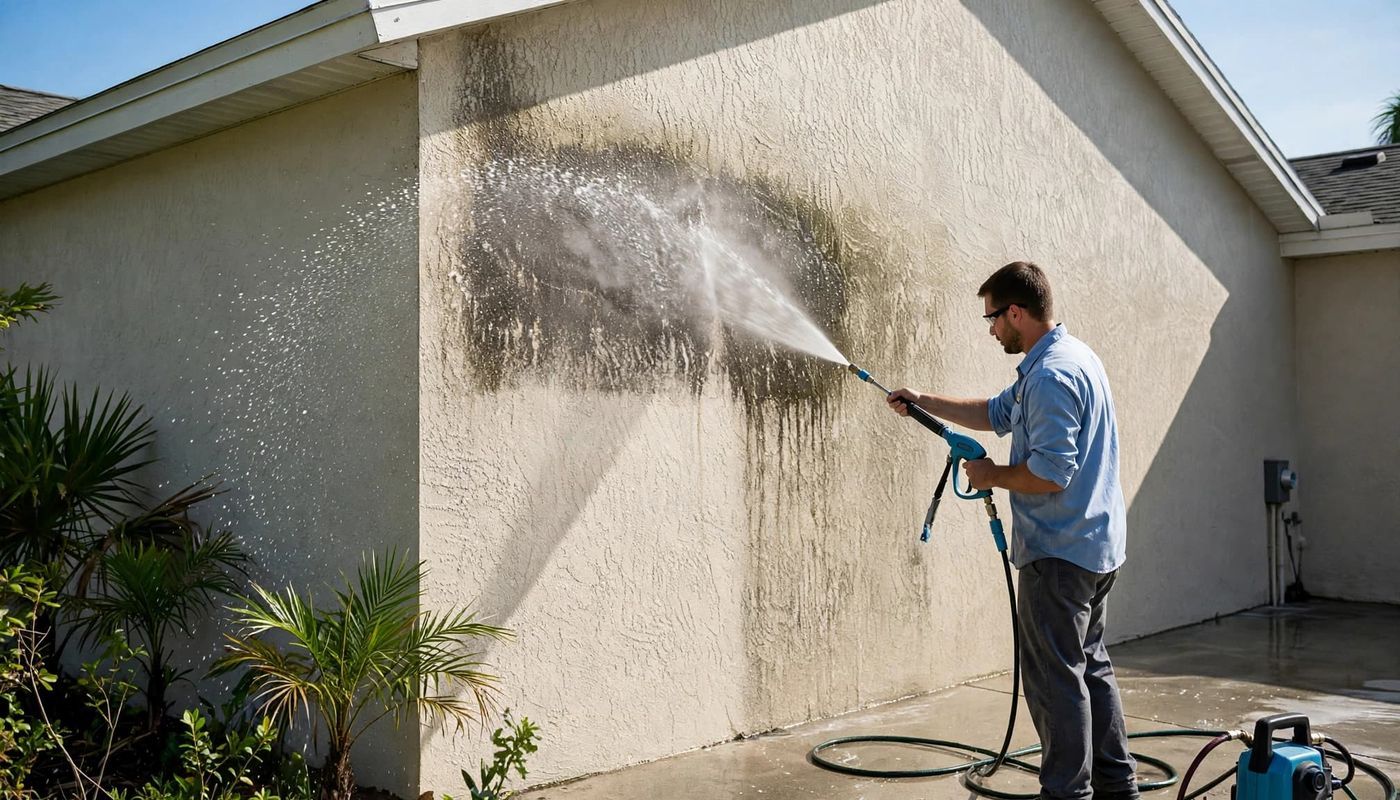
Different exterior materials require distinct cleaning approaches to avoid structural damage. A pressure washer can handle durable concrete driveways, pool decks, and brick pavers. Asphalt shingles, wood decking, and stucco surfaces require lower pressure or soft washing. Soft washing utilizes lower pressure paired with specialized cleaning solutions to safely treat stucco, painted wood, and vinyl siding.
A pressure washer’s pounds per square inch and gallons per minute determine how safely it cleans each surface. Matching nozzle types to the material prevents damage. Applying too much force to delicate or peeling areas can gouge masonry or drive water behind the wall. An electric pressure washer is often enough for light mildew on vinyl siding, while a gas-powered pressure washer delivers more consistent flow for larger jobs. A trained crew adjusts nozzle angles, water pressure, and chemical mixes based on the specific substrate underneath. For more details on masonry care, review stucco repair and preparation.
Why Pressure Washing Exterior Surfaces Is So Important
Why this step matters comes down to basic chemistry and adhesion. A clean substrate is the definitive boundary between a paint job that endures for a decade and one that fails in months. Primer and paint require a dry, sound, contaminant-free surface to anchor themselves properly. Dirt, mildew, and chalky residue sit between the wall and the new coating like a release agent, preventing a solid bond. Joey and Jay emphasize this step across every residential and commercial project in Pinellas County and Hillsborough County.
Paint Bonds Better and Lasts Longer on a Clean Surface
Primer needs a porous, solid substrate to grip securely. When an exterior wall is coated in living mildew and loose chalk flakes, the fresh coat sticks to the debris instead of the masonry. As professional observations note, proper surface preparation accounts for a large share of a paint job’s longevity. When you wash away contaminants, primer penetrates the pores of the stucco or wood, allowing subsequent coats to cure evenly.
Stopping Moisture, Mildew, and Rot Before They Spread
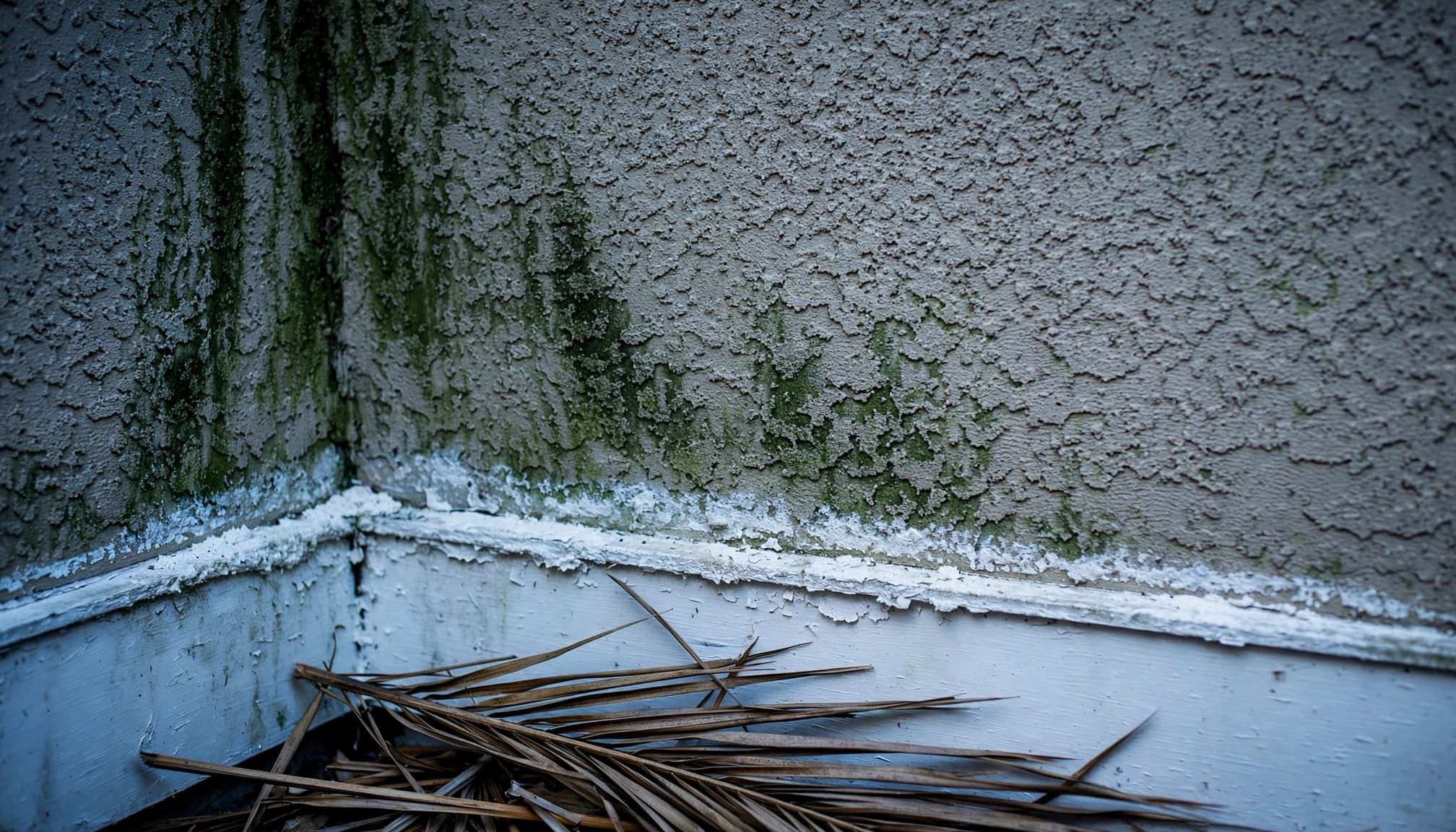
Biological growth holds destructive moisture directly against the building exterior. On wood trim and porous stucco, trapped moisture leads to soft spots, rotting framing, and failing caulk lines. Thorough washing eliminates mold colonies and allows the structure to dry completely before any protective coatings go on. Industry guides confirm that trapped moisture leads to bubbling and peeling paint. Cleaning protects the structural integrity of the exterior facade rather than just improving its appearance. For targeted fixes, explore stucco repair services in Palm Harbor.
A Clean Exterior Protects Your Curb Appeal and Home Value
A clean, freshly painted home makes a strong impression on visitors, prospective buyers, and neighbors. Exterior painting often yields a high return on investment when selling a property in Dunedin, Clearwater, or Tampa. Buyers immediately notice the difference between streaked, dull siding and a bright, uniform finish. Commercial buildings benefit equally, as a well-maintained exterior communicates professionalism and attention to detail to every client walking through the doors.
What Happens When You Skip Pressure Washing Exterior Surfaces
Skipping the initial wash is not smart property maintenance; it simply shifts the financial burden forward. Painting over unwashed walls guarantees early failure, forcing property owners to pay for scraping, repairs, and premature repainting. Understanding the consequences highlights why professional contractors refuse to skip this phase.
Peeling Paint and a Repaint You Didn’t Plan For
Paint applied over a compromised surface fails from the bottom up. It blisters, chips, and peels away in sheets within a year or two of application. Manufacturer warranties on premium paint products explicitly require proper surface preparation, meaning a skipped wash voids your product protection. Comparing the modest cost of a professional wash to the expense of completely redoing a failed paint job proves that shortcuts always cost more in the long run.
Damage You Can’t See Until It’s Expensive
Dirt and thick mildew often conceal underlying structural issues like hairline cracks, failing caulk, and soft timber. High-pressure cleaning strips away the surface layer to expose these hidden vulnerabilities. As home inspectors point out, Florida humidity increases the risk of mold and crumbling stucco behind hidden areas. Catching these issues early means minor patching, whereas discovering them after paint failure involves costly carpentry and structural restoration.
Frequently Asked Questions
Why is pressure washing necessary before painting exterior surfaces?
Pressure washing removes contaminants that sit between the wall and new paint, including mildew, dirt, pollen, and chalky residue. If those remain, primer and paint bond to the debris instead of the substrate, causing early peeling, bubbling, and failure.
Can I pressure wash stucco and wood the same way as concrete?
No. Concrete, brick pavers, and driveways can usually handle higher pressure, but stucco, wood, vinyl siding, and shingles require lower pressure or soft washing. Too much pressure can gouge stucco, strip paint, force water behind siding, or damage soft materials.
What happens if I paint over dirty exterior walls?
Paint applied over an unwashed surface often blisters, chips, and peels within a year or two. It can also void manufacturer warranties, since premium paint products require proper surface preparation before application.
How often should I pressure wash my home’s exterior in Florida?
Most Tampa Bay homes benefit from an annual wash, while coastal properties, heavily shaded walls, and homes under trees may need cleaning twice a year. You should also wash immediately before painting or whenever green mildew and dark streaks reappear.
When should I hire a professional for pressure washing?
Hire a professional for multi-story homes, steep rooflines, delicate woodwork, or any project where water could reach electrical fixtures or window seals. An insured local contractor can match pressure, nozzles, and cleaning solutions to each surface and prepare it correctly for paint.
How Often to Pressure Wash and How to Do It Right
Most homes across the Tampa Bay region benefit from an annual exterior cleaning, while properties located near the coast, under heavy tree cover, or in deep shade require washing twice a year. Always schedule a wash immediately before painting projects, or whenever green biological growth reappears. Pre-treat stubborn stains before washing. To maintain your property without hassle, look into comprehensive painting services in Pinellas County.
Mistakes That Damage Siding and Stucco
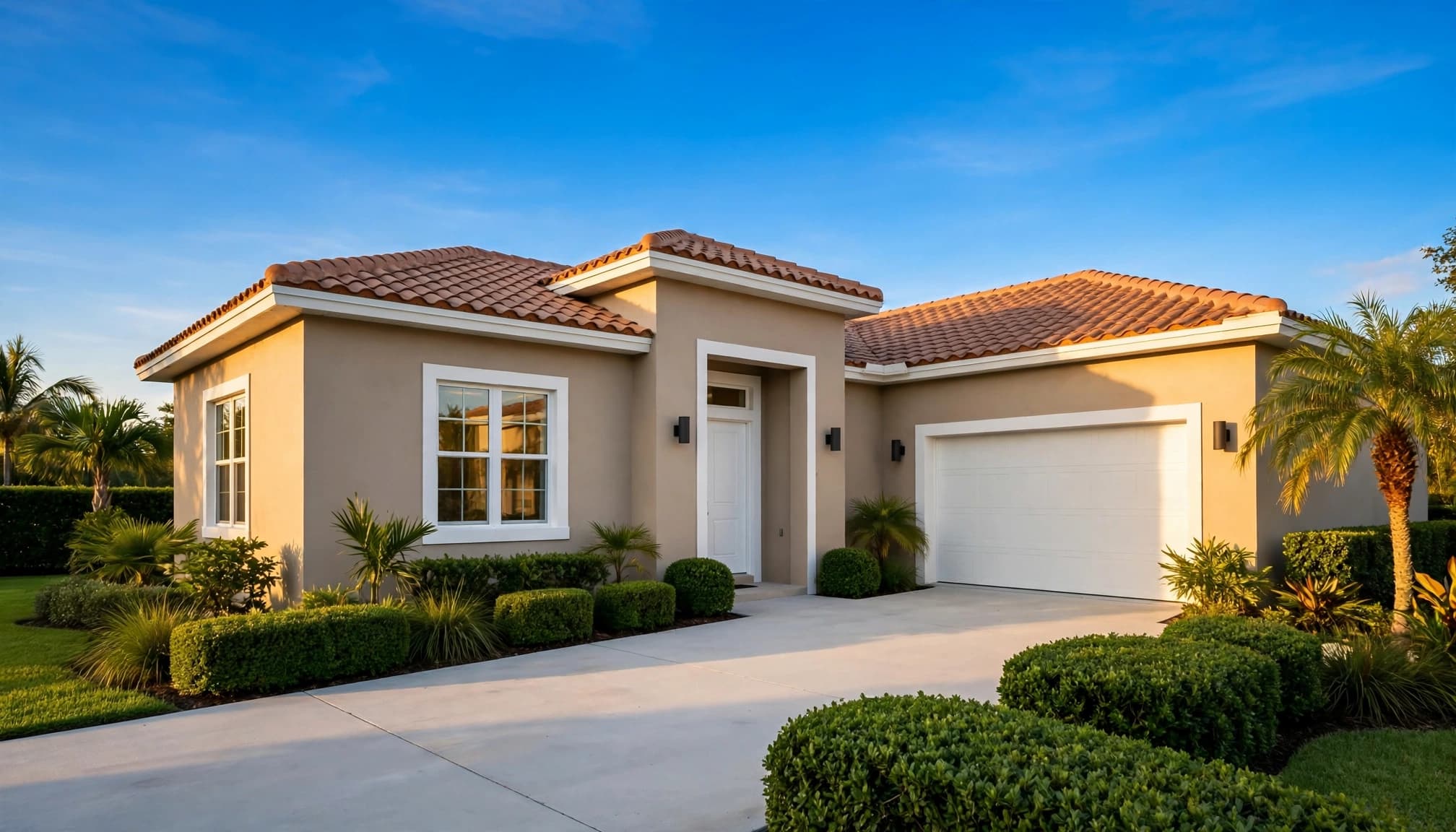
Improper technique during pressure cleaning causes severe property damage. Excessive pressure causes surface damage, and using it on stucco or wood gouges the substrate. A gas-powered pressure washer can strip paint if held too close, and holding the spray wand near soft siding shreds it. A pressure washer can force water behind siding if angled upward. Washing under direct midday sun causes cleaning solutions to dry too quickly before breaking down mildew. Textured stucco surfaces require careful fan patterns and proper chemical dwells to clean nooks without stripping the finish.
High-pressure washing is not appropriate for every exterior material, and a zero-degree nozzle can etch siding or stucco. If you use an electric pressure washer, keep the spray wand moving. An electric pressure washer may lack power for deep mildew on stucco, so adjust expectations.
When It Makes Sense to Bring in a Professional
Certain projects require professional equipment and experienced handling. Multi-story homes, steep rooflines, and delicate historical woodwork present safety hazards and technical challenges. Wear protective equipment, including eye protection and gloves. Hiring an insured local contractor ensures that water stays out of electrical fixtures and window seals, where safety precautions matter. For expert assistance across the region, trust local specialists like Curb Appeal Pros for texturing and stucco repair in Palm Harbor, ensuring consistent preparation from the initial wash to the final coat.
Conclusion
Pressure cleaning is the critical factor that determines whether an exterior paint job endures against Florida weather or fails prematurely. Recognizing the warning signs of buildup, such as dark streaks, chalky residue, and flaking edges, tells you when it is time to act. Protecting your investment starts with proper preparation and skilled execution. Contact Curb Appeal Pros today to schedule your free estimate for pressure washing and exterior painting across Palm Harbor, Dunedin, Clearwater, Tampa, and the surrounding Tampa Bay communities.