
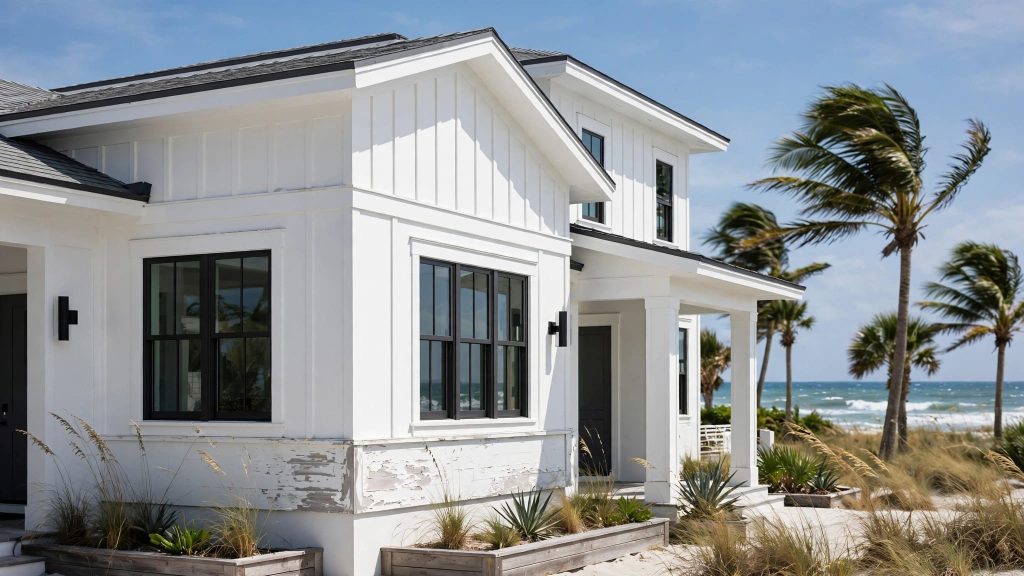
Standing on your Clearwater Beach deck, you notice the exterior paint on your window trim is already chalking, fading, or peeling far sooner than you expected. If you live near the Gulf of Mexico, dealing with salt air paint damage is an everyday reality for property owners. This deterioration is not your fault, nor is it simply a sign of cheap paint from your last project. Instead, relentless ocean air, intense Florida sunshine, and high humidity conspire against every exterior surface. This guide covers how marine salt attacks paint, the warning signs to watch for, and how to protect your coastal home with the right products and professional care.
Key Takeaways
- Salt air paint damage is driven by chloride ions that settle on exterior surfaces, pull in moisture, and break down the paint film, leading to chalking, fading, blistering, and peeling.
- Beachfront homes face faster aging from wind-driven salt spray, intense UV, and high humidity, often needing repainting every three to five years instead of seven to ten inland.
- Watch for powdery chalking, color fading, mildew patches, dull salt film, and rust streaks from nails or hinges; these early signs mean moisture is already compromising the coating.
- The best defense is 100 percent acrylic latex paint with UV blockers and mildew inhibitors, a compatible exterior primer, satin or semi-gloss sheens, and optional ceramic coating.
- Proper prep and maintenance make or break the job: pressure wash, scrape, sand, patch, prime, allow full dry time, and inspect or rinse salt residue once or twice a year.
How Salt Air Paint Damage Affects Exterior Paint on Clearwater Beach Homes
Airborne salt settles constantly on exterior walls, wood siding, and stucco finishes, pulling marine moisture directly onto the building surface and slowly dissolving the chemical bond holding your paint in place. Chloride ions stay active in that damp film, drawing even more water into the surface. Understanding this coastal corrosion cycle helps you protect your property before structural decay sets in. If you want a professional evaluation of your home exterior, Curb Appeal Pros offers a free assessment to identify vulnerable spots.
What Salt Particles Really Do to Paint and Siding
Tiny chloride ions carried by sea breezes land on your exterior walls and stay active by absorbing moisture from the humid air. According to research on chloride ion penetration in paint films, these microscopic ions possess strong penetrating abilities that break down protective paint layers over time. Once salt sits on a painted surface, it speeds up chalking, fading, blistering, and peeling. Coastal salt also attacks exposed wood, stucco, and metal fasteners. When moisture slips past compromised paint films, the underlying building materials begin to rot or rust. Left unchecked, this corrosive process eats away at the substrate until small blemishes turn into major structural repairs that require extensive carpentry and masonry work.
Why Beachfront Homes Age Faster Than Inland Homes
Properties sitting directly on the beach face environmental stressors that inland houses rarely experience. Wind-driven salt spray deposits corrosive residue daily, while intense UV rays bounce off the Gulf waters to bake exterior walls. According to insights on causes of corrosion in coastal areas, this constant accumulation of salt combined with high humidity accelerates material breakdown significantly. While an inland home might go seven to ten years between paint cycles, a beachfront property often requires attention in three to five years. South-facing and west-facing walls typically show wear first because they absorb the harshest sunlight and prevailing ocean gales. Morning dew from the marine layer mixes with dry salt crust on these walls, creating a highly corrosive electrolyte solution that attacks paint resins every single day. Wind patterns also push ocean spray high onto second-story gable ends and roof overhangs, causing upper elevations to age much faster than ground-floor masonry.
Warning Signs of Salt Air Paint Damage on Your Coastal Paint Job
Spotting early paint failure saves you from expensive wood replacement or stucco repairs later. When coastal conditions overwhelm your current finish, certain visual cues appear across porches, railings, and soffits. If you notice these warning signs around your property, reach out to our team for an expert exterior painting service or Call (727) 222 – 1399 to schedule a detailed inspection before minor issues escalate.
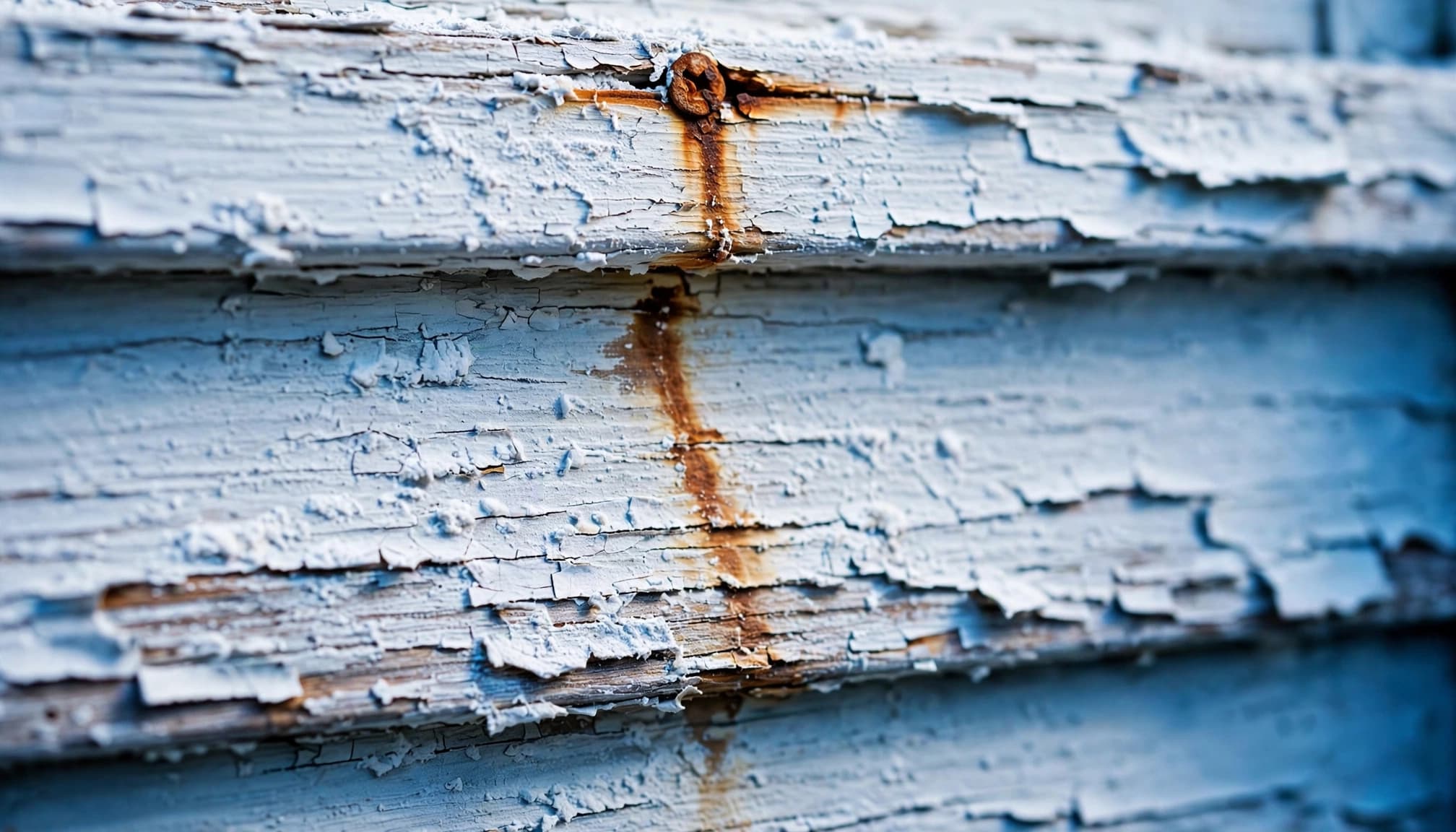
Chalking, Fading, and Paint That Rubs Off on Your Hand
Chalking appears as a fine, powdery residue that leaves pigment on your fingers when you brush against exterior siding. This oxidation process happens when UV radiation destroys the resin binder in the paint, leaving loose pigment particles on top. Fading and chalky surfaces signal that your paint film is losing its protective thickness. Inspect your railings, window casings, and sun-drenched exterior walls regularly by running a clean hand across the paint to check for powder transfer. When the paint layer thins out, moisture penetrates the underlying wall much faster. Ignoring this initial breakdown allows chloride ions to reach the substrate, leading to paint bubbling and peeling across entire elevations.
Mildew, Salt Film, and Rusted Nails to Look For
Dark patches on shady walls usually indicate mildew growth, which thrives on trapped high humidity and organic debris. Meanwhile, a dull gray or white haze across siding often points to accumulated salt film; water spots can leave similar pale staining. You should also check for rust streaks running down from nail heads and hinges, which signal rust formation after moisture has penetrated the paint barrier. To confirm whether a dark spot is dirt or mold, apply a small bleach solution following guidelines for cleaning mildew stains outside, noting that true mildew lightens quickly while ordinary dirt remains dark. Catching these early indicators allows your painting crew to neutralize the surface before applying fresh protective coats.
How to Protect Exterior Paint From Salt Air Paint Damage
Shielding a coastal home requires choosing the right chemistry, executing rigorous prep work, and sticking to a sensible maintenance schedule. Taking these proactive steps prevents moisture intrusion and extends the lifespan of your exterior coatings.
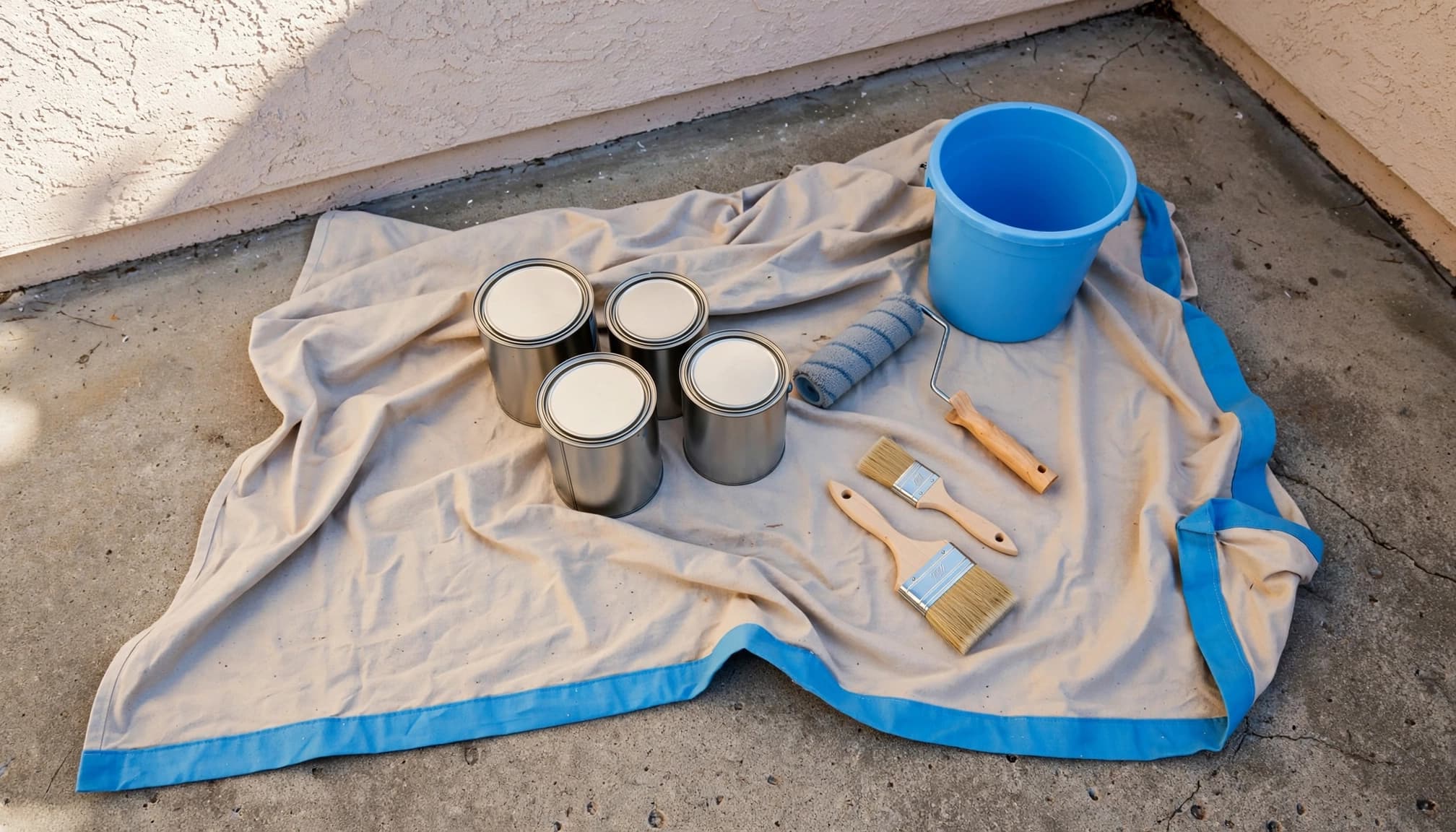
Picking Paint and Primer That Stand Up to the Coast
Standard interior paints or cheap exterior formulas fail rapidly under marine conditions. For lasting paint protection, painting contractors recommend 100 percent acrylic latex coatings featuring UV blockers and mildew inhibitors. Quality products from trusted brands like Sherwin-Williams and Benjamin Moore provide superior flexibility and moisture resistance. As highlighted in discussions on paint choices for coastal homes, acrylic latex formulas expand and contract with temperature shifts without cracking. Satin and semi-gloss sheens shed salt and rain much better than flat finishes. Always apply a dedicated exterior primer over bare wood, stucco patches, or chalky substrates to guarantee strong adhesion and create a protective barrier against tannin bleed or alkali reactions. Color selection also plays a practical role; lighter shades absorb less solar heat, reducing the thermal expansion stress that causes paint films to fracture over time. For advanced defense, a ceramic coating can act as a paint sealant over the topcoat.
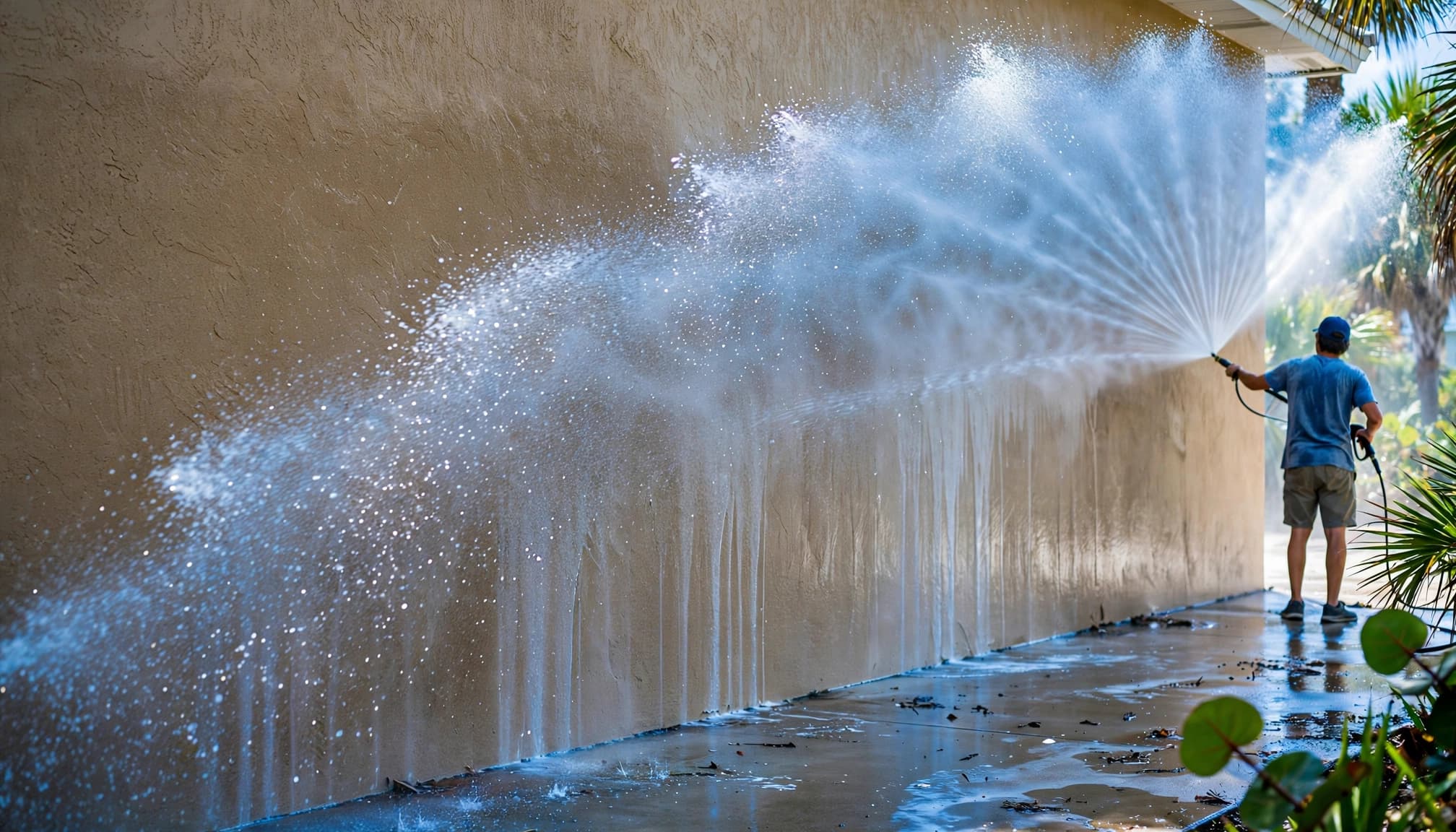
Prep Work Makes or Breaks a Beach Home Paint Job
Applying fresh paint over a dirty or damp surface guarantees premature failure. Professional painters begin with thorough pressure washing to scrub away embedded salt spray, sand, chalk residue, and chloride ions. Next, they scrape loose paint flakes, sand rough edges, patch cracks, and prime every exposed spot. Proper drying time is critical in high humidity. Following coastal humidity dry-time requirements ensures that each coat cures completely before the next one goes on. Good stucco preparation for painting creates a locked-down foundation that resists marine moisture. Skipping any step in this meticulous process invites paint bubbling within months of completion.
A Realistic Repainting Schedule for Homeowners Near the Water
Waiting until paint is peeling in sheets leads to expensive substrate repairs. Establish a simple routine by inspecting your exterior every spring and washing salt residue off siding once or twice a year using low-pressure garden hoses or professional rinse attachments. Address minor chips and cracks immediately with touch-up paint before moisture works its way inside. Most beachfront homes benefit from a complete professional repaint every three to five years, depending on sun exposure and proximity to the Gulf. Catching wear early keeps labor costs low and protects your investment against permanent weather damage.
Why a Local Clearwater Beach Painting Contractor Makes the Difference
Painting a coastal home involves unique challenges that are easy to underestimate. Hiring a local team ensures your project accounts for regional climate quirks, building materials, and weathering patterns.
What Curb Appeal Pros Brings to Coastal Paint Projects
Curb Appeal Pros is a locally owned painting contractor serving Clearwater Beach, Palm Harbor, Dunedin, and the greater Tampa Bay area. Led by owners Joey Vumbaco and Jay McGarrity, the company holds license number C-11637 and carries full insurance to protect every client. Every project is backed by a solid three-year craftsmanship warranty and a satisfaction guarantee. Because the crew lives and works along the Gulf coast, they understand local salt air and choose topcoats with a clear coat. They maintain spotless job sites, protect your landscaping from washing runoff, and maintain clear communication from the initial estimate to the final walkthrough.
Stucco Repair and Weatherproofing That Keeps Moisture Out
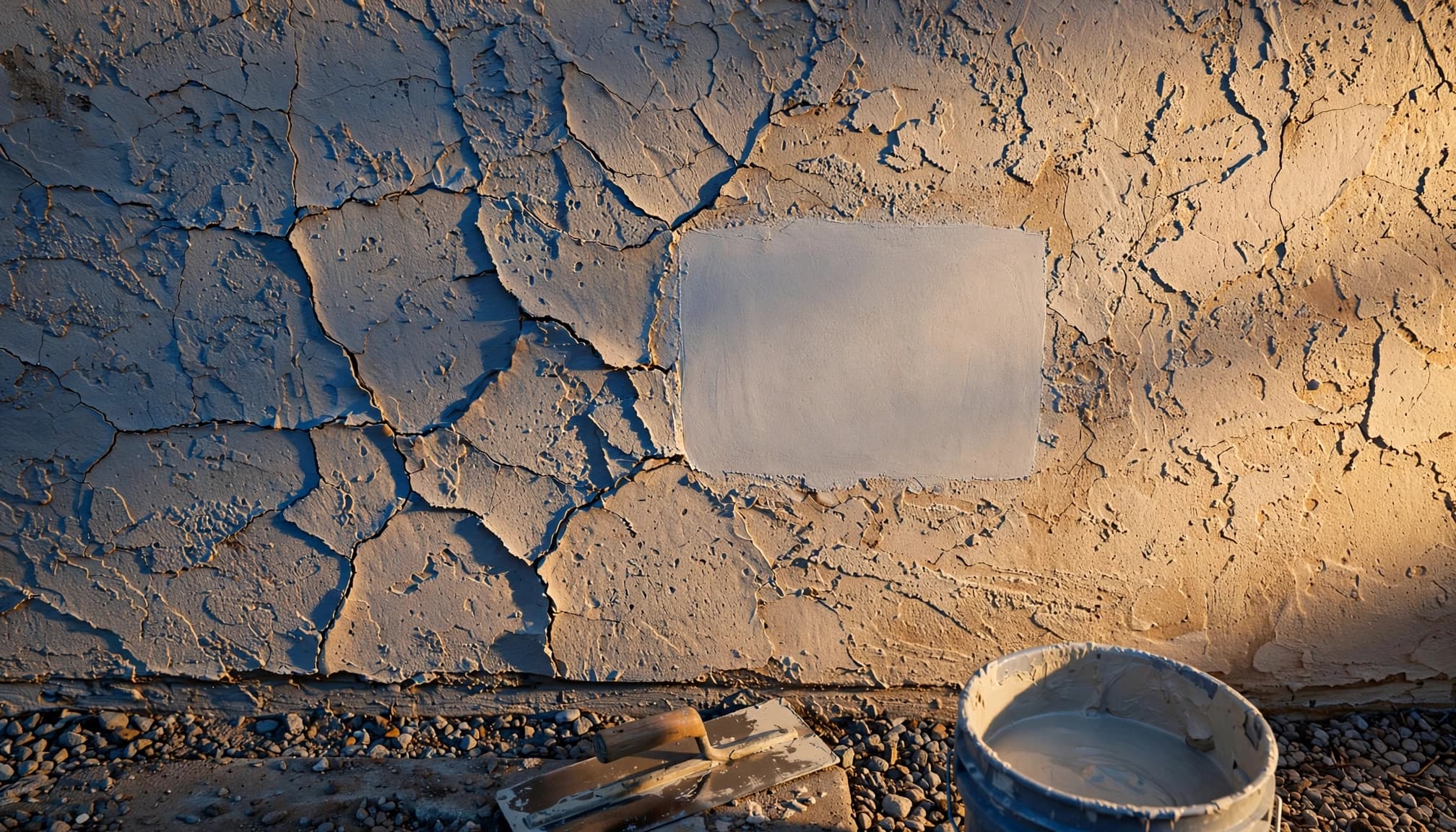
Paint alone cannot prevent salt air paint damage if the underlying stucco is cracked or damaged. Saltwater seeps through microscopic fissures, where chloride ions corrode internal wire lath and cause chunks of stucco to pop off. Curb Appeal Pros integrates stucco patching and sealing into the painting process and can advise on ceramic coating as an advanced option. That coating never replaces stucco repair. Utilizing professional stucco repair services seals vulnerable gaps and blocks marine moisture before any color goes on. Combine expert stucco work with top-tier painting services in Tampa and Pinellas County for lasting paint protection and a watertight home year-round. A weather resistant stucco and paint system stops moisture at the surface level, preserving both the structural integrity of your walls and the beauty of your finishes.
Frequently Asked Questions
How often should I repaint a Clearwater Beach home exposed to salt air?
Most beachfront homes need a full professional repaint every three to five years, depending on proximity to the Gulf, sun exposure, and surface condition. Inland homes may go seven to ten years, but coastal properties age faster because of salt spray, humidity, and UV radiation.
What are the earliest signs of salt air paint damage?
Early warning signs include fine powdery chalking, fading, blistering, peeling, mildew on shady walls, and rust streaks from nail heads or hinges. If paint rubs off on your hand or looks chalky, the protective film is already breaking down.
What kind of paint holds up best in coastal Florida conditions?
A 100 percent acrylic latex exterior paint with UV blockers and mildew inhibitors is the best choice for coastal homes. Satin or semi-gloss finishes shed salt and rain better than flat paint, and a dedicated exterior primer is essential over bare or chalky surfaces.
Can I paint over peeling or chalky siding without full prep?
No. Painting over salt residue, chalk, mildew, or loose paint traps moisture and causes premature bubbling or peeling. The surface must be pressure washed, scraped, sanded, patched, primed, and fully dry before new paint is applied.
Why is stucco repair important before painting near the beach?
Cracks in stucco let saltwater and chloride ions reach the wall structure, where they can corrode wire lath and cause stucco to pop off. Repairing and sealing those gaps before painting helps block marine moisture and protects both the finish and the substrate.
Conclusion
Protecting your Gulf-front property from coastal corrosion comes down to proactive maintenance, superior acrylic products, and meticulous surface preparation. When you catch wear early and partner with experienced professionals, your exterior finishes will withstand the harshest coastal weather. Walk around your home this week to inspect siding and trim for early chalking or cracking. Reach out to Curb Appeal Pros today to schedule your exterior estimate and keep your home looking its best.