
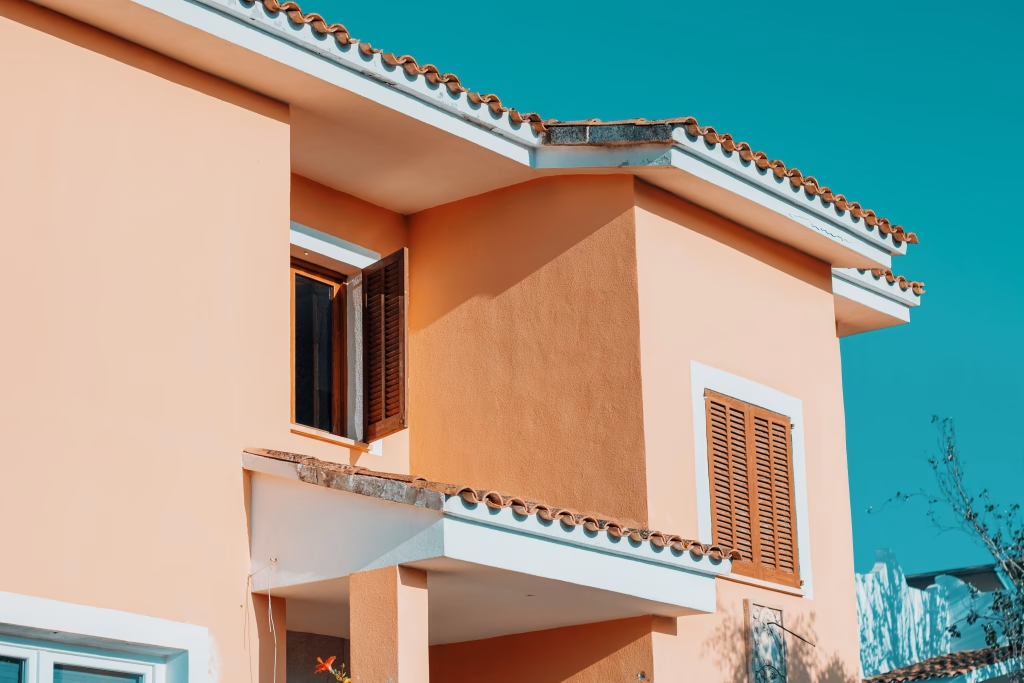
Florida sun, humidity, and summer storm systems work on an exterior every single day of the year, so a paint job in Palm Harbor or Clearwater ages differently than one in a milder climate. Homeowners researching how long does exterior paint last in Florida want realistic numbers rather than canned manufacturer estimates that ignore coastal conditions. Most Tampa Bay exteriors hold up about 5 to 10 years, with coastal homes closer to 5 to 7 and well-prepped inland homes reaching 7 to 10 or more, while stucco coated with an elastomeric system often stretches to 10 to 15. Joey Vumbaco and Jay McGarrity at Curb Appeal Pros, a Palm Harbor based painting and stucco contractor with over 20 years in the Tampa Bay market, see these weather cycles firsthand. Call (727) 222 – 1399 for a free estimate to discuss your property today.
Key Takeaways
- Exterior paint in Tampa Bay typically lasts 5 to 10 years. Coastal homes often need repainting after 5 to 7 years, while inland homes may reach 7 to 10 years.
- Paint lifespan depends on sun, humidity, rain, salt air, surface type, and preparation. Stucco with a properly applied elastomeric coating can last 10 to 15 years.
- Chalking, fading, cracked caulk, stucco cracks, blistering, and peeling are signs to inspect or repaint. Repair damaged stucco and failing caulk before painting.
- Pressure washing, mildew treatment, crack repair, priming, and choosing a coating for the surface help extend paint life. October through April is the preferred painting season in Tampa Bay.
How Long Does Exterior Paint Last in Florida? The Honest Answer
A paint label may promise 10 to 15 years of color and protection, but Florida weather rarely allows that without proper preparation. Across Tampa Bay, a full-home repaint typically lasts 5 to 10 years, depending on Gulf proximity, sun exposure, and the home’s materials. Homes within a mile or two of saltwater often need attention in 5 to 7 years, while inland properties with quality acrylic finishes can reach 7 to 10. Trim, front doors, and caulk joints often wear out years before the main walls, so the whole house rarely needs repainting at once.
What Florida Sun, Humidity, and Rain Do to a Paint Job
UV exposure in Tampa runs year-round and breaks down binder resins in standard exterior coatings. This breakdown causes chalking, a powdery white residue, and gradual fading. South-facing and west-facing walls absorb more heat and often fail one to two years before shaded sides.
Humidity in Florida averages around 74 percent, according to climate records from the National Centers for Environmental Information climate data archive. It slows drying and encourages mildew growth. Mildew grows beneath the paint film and pushes the coating outward, causing peeling. As detailed in the EPA guide on mold and moisture control, controlling moisture intrusion helps prevent structural rot.
Wind-driven rain during summer storms forces moisture through hairline cracks and failing caulk joints. Daily heat cycles make building materials expand and contract, opening joints until sealants fail. Most coatings fail when moisture gets behind the protective film.
Coastal Pinellas vs. Inland Tampa Bay: Why Salt Air Matters
Salt carried inland on Gulf breezes settles on exterior walls, where it corrodes metal flashings and nail heads. This corrosion causes rust stains and bubbling beneath the coating. Coastal homes in Clearwater Beach, Snell Isle, Indian Rocks Beach, St. Pete Beach, and the Gulf Boulevard corridor usually need repainting two to three years sooner than similar homes ten miles inland.
Salt concentration drops rapidly as you move away from the shoreline. Oldsmar, Palm Harbor, and Largo fall into a moderate zone, while Tampa and Lutz have more typical inland conditions. Within two miles of saltwater, a marine-grade or elastomeric coating system can help protect your property. For professional guidance on protecting coastal structures, explore our exterior painting services.
If you notice early wear on your exterior walls, contact Curb Appeal Pros to schedule a professional exterior assessment.
Stucco, Wood, Fiber Cement, and Block: Paint Lifespan by Surface
Stucco is the dominant exterior surface on Pinellas and Hillsborough homes built after 1990, and it’s especially sensitive to prep quality. Two houses on the same street can have very different paint lifespans. One contractor may paint over chalky residue, while another washes, patches, primes, and caulks every joint first. Knowing your building material helps you set a realistic maintenance schedule.
Typical Repaint Intervals for Each Florida Surface
Different materials age at different rates under Florida weather conditions. Stucco painted with a premium 100 percent acrylic formulation typically lasts 7 to 10 years. A high-build elastomeric coating system can extend that lifespan to 10 to 15 years when cracks are routed and sealed first. For masonry and stucco substrates, products like Sherwin-Williams Duration exterior acrylic provide thick, flexible coverage that resists mildew and UV degradation. High-build systems need specific film thicknesses for waterproof masonry protection, as outlined in the Loxon XP waterproof coating specifications.
Wood siding moves significantly with heat and moisture, limiting its paint lifespan to 3 to 8 years. Fiber cement siding, such as James Hardie products with factory-applied finishes, holds up well and often carries a James Hardie ColorPlus technology warranty of up to 15 years. Painted brick and concrete block structures last 10 to 20 years with minimal upkeep. Aluminum siding needs a new coat around every 5 years and requires a specialized bonding primer over oxidized metal.
Homeowners must also account for smaller architectural elements. Trim and fascia boards need attention every 4 to 7 years, garage doors every 4 to 7 years, and front doors every 3 to 6 years due to frequent handling and intense sun exposure. Exterior caulk generally lasts only 1 to 3 years and is the most important line of defense against water intrusion.
How to Tell It Is Time to Repaint Before the Damage Spreads
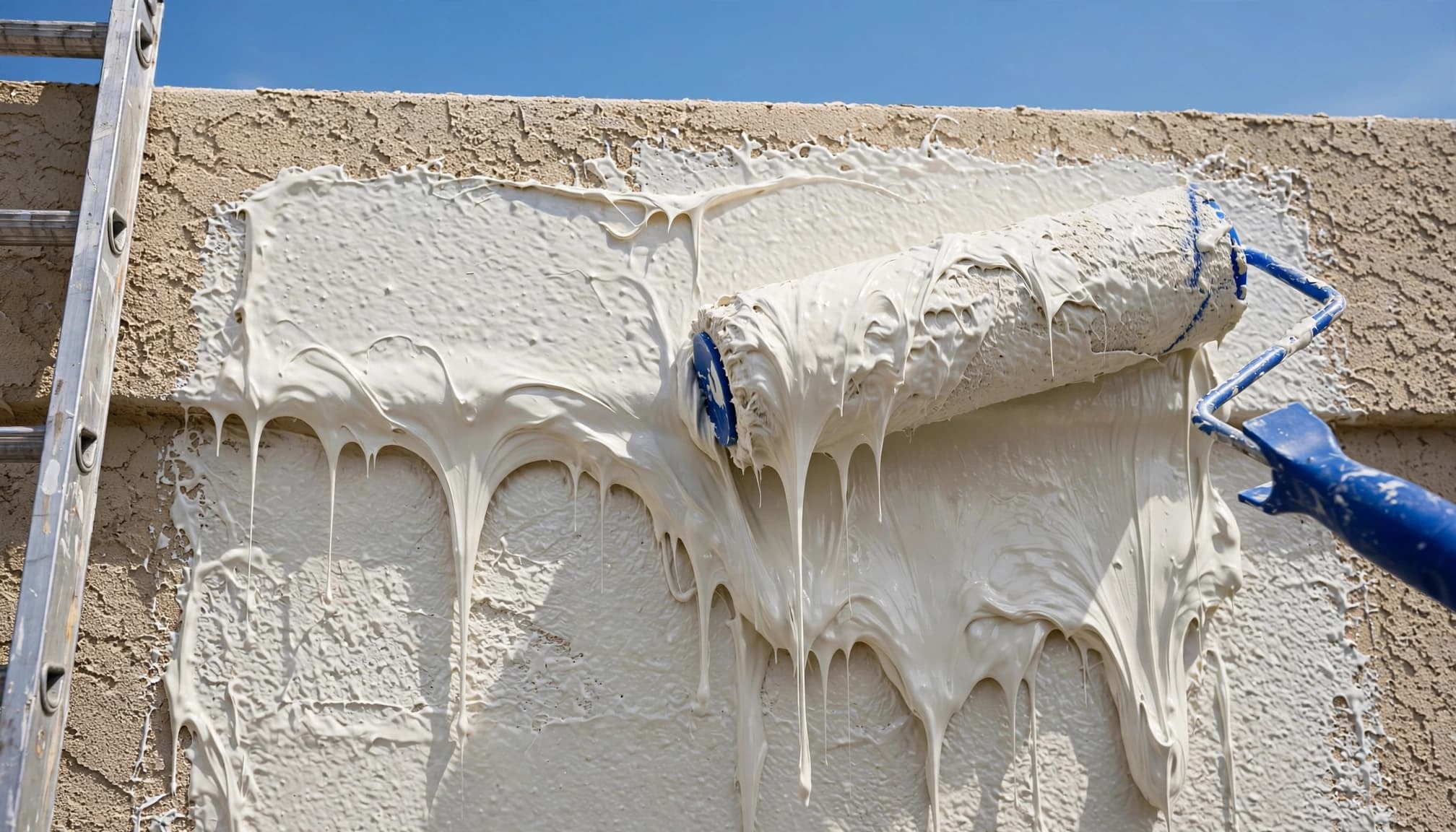
Condition matters more than the calendar when deciding when to repaint. A six-year-old exterior with peeling needs immediate attention, while a well-maintained ten-year-old home might still provide solid protection. Watch for early failure signs in a specific sequence. Chalking appears first as a powdery residue on your hand when you touch the wall. Fading follows, and you can spot it by comparing an exposed wall section with one sheltered behind a shutter or light fixture.
Cracking in caulk around windows and doors appears next, followed by hairline stucco cracks, blistering, and finally peeling. Peeling means moisture has breached the coating film and broken its bond with the substrate. In coastal Pinellas County, watch for rust streaks near nail heads and white salt crystals on concrete block walls. Test your walls by rubbing several exterior surfaces with a dark cloth in the spring. If a heavy powdery film transfers to the cloth, your paint barrier is thinning.
If you see cracking, moisture stains, or mold near your windows, contact our team for professional stucco repair and patching before water damage spreads to the framing beneath.
How to Get the Longest Lasting Exterior Paint Job in Tampa Bay
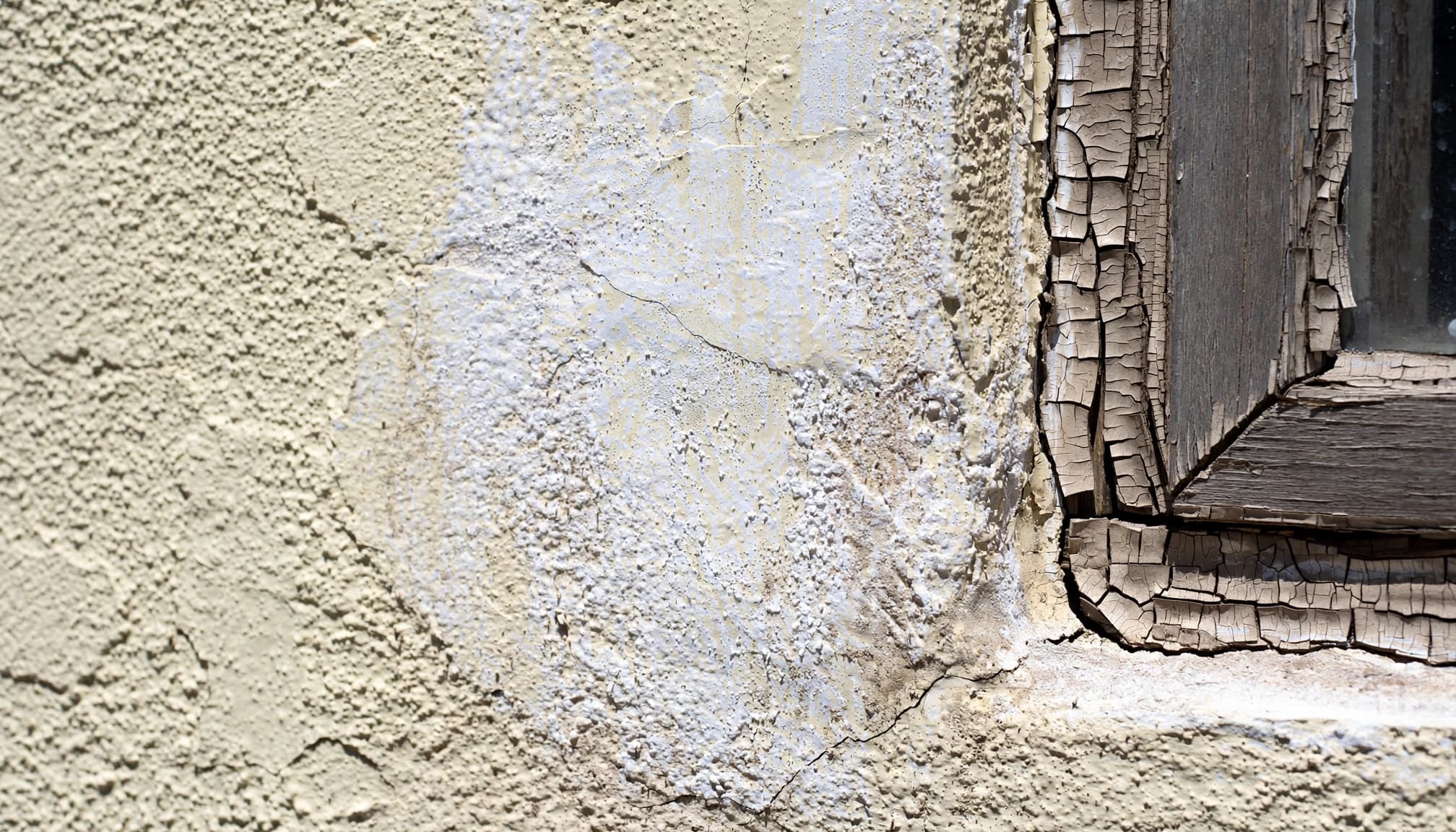
Maximizing the lifespan of your exterior paint job comes down to three factors within your control. First, surface preparation is paramount. Pressure washing, mildew treatment, crack repair, caulk around window heads, and applying primer to bare or chalky areas form the foundation of a durable finish. Skipping prep work is the primary reason a paint job fails within two to three years.
Second, choose the correct coating for your substrate. Use a premium 100 percent acrylic coating for sound inland stucco and siding, and reserve an elastomeric coating for coastal stucco or walls with active hairline cracking. This coating bridges small cracks effectively, but never apply it over trapped moisture.
Third, timing and routine maintenance help your exterior paint last longer. Schedule exterior painting during the cooler, drier months from October through April. Inspect your caulk joints every two to three years, and touch up sun-facing accent walls around year four or five to limit damage from UV exposure. Curb Appeal Pros is a licensed and insured contractor (License # C-11637) based in Palm Harbor, serving Pinellas and Hillsborough counties including Dunedin, Clearwater, St. Petersburg, Oldsmar, Largo, Tarpon Springs, and Tampa. Every project is backed by a 100 percent satisfaction guarantee.
To explore custom design options for your property, schedule a free color and coating consultation with our team. When you are ready to move forward, call (727) 222 – 1399 to schedule your exterior estimate. For more details on our comprehensive offerings, visit our main page for painting services in Palm Harbor.
Frequently Asked Questions About Florida Exterior Painting
Can I paint my house myself to save money?
You can paint your own home if you have proper safety equipment, scaffolding, and time, but professional painters bring specialized tools and surface prep expertise that prevent premature peeling. DIY projects often skip critical masonry priming and caulk detailing, which leads to coating failure within a few seasons.
Is elastomeric paint better than standard acrylic paint?
Elastomeric paint is superior for bridging hairline cracks on coastal stucco because it dries into a thick, rubbery waterproof membrane, but standard 100 percent acrylic is better for wood siding and sound masonry where breathability is needed. Choosing the wrong coating type traps moisture inside the wall and accelerates wood rot or stucco spalling.
What time of year is best for exterior painting in Tampa Bay?
The dry winter and spring months from October through April offer the ideal relative humidity and temperature range for exterior paint curing in Tampa Bay. Summer afternoon rainstorms and high humidity interfere with proper film formation and slow down drying times.
How do I know if my stucco needs repairs before painting?
Stucco needs professional patching when you spot stair-step cracking, hollow spots, bulging areas, or rust stains bleeding through the finish coat. Painting over compromised stucco seals in moisture rather than stopping structural damage, so always complete repairs and texturing through professional stucco repair in Palm Harbor before applying new paint.
Protecting Your Tampa Bay Property for the Long Term
Plan on 7 to 10 years for inland exteriors and 5 to 7 years near the coast, remembering that trim, doors, and caulk require attention long before body walls do. Walk your exterior this week with a flashlight and a dark cloth to inspect for chalking, cracked caulk, or rust streaks near fasteners. Catching minor wear early prevents expensive structural repairs down the road.
When you want reliable guidance and expert craftsmanship for your property, contact the experienced team at Curb Appeal Pros to schedule your free estimate and keep your home looking its best.