
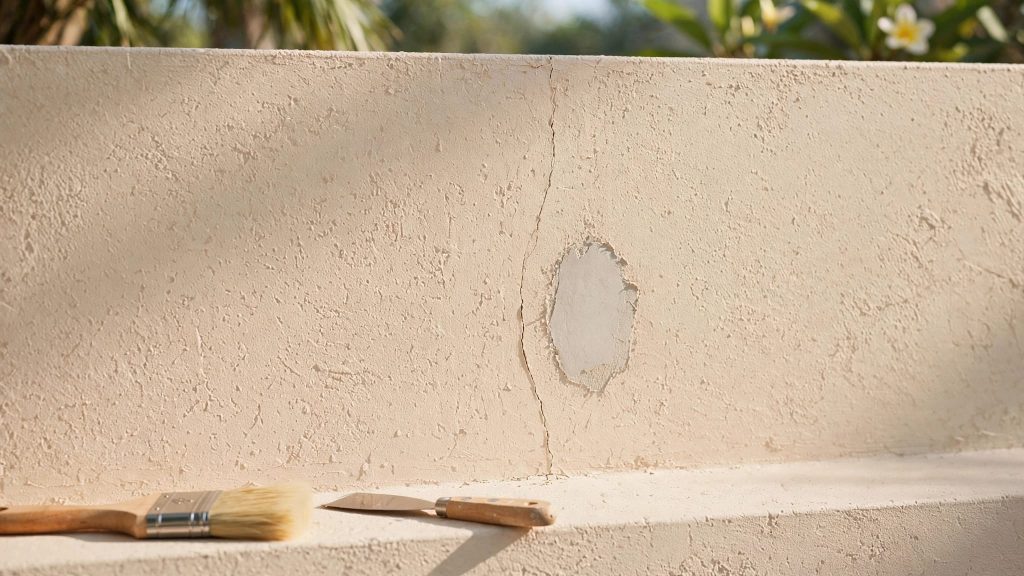
A homeowner in Palm Harbor, Clearwater, or Tampa notices a stucco crack or hairline crack and wonders if a fresh coat will hide it. The crack didn’t appear for no reason, and the answer depends on the wall, not the calendar. Homeowners planning exterior painting often want to know how to repair stucco cracks before painting and whether a quick fix will hold before the crew arrives.
Most small, stable cracks are cosmetic and can be addressed during prep. Cracks that return, stain, or lift nearby stucco may point to water or a failing wall that needs attention first. A sound exterior finish starts with fixing the underlying problem.
If you want a reliable assessment of your walls before your next project, Curb Appeal Pros offers a free estimate and a thorough walk-around of your property to inspect any cracking or past patches.
Key Takeaways
- Stable, fine cracks can be addressed during preparation if the surrounding wall is sound and dry.
- Returning cracks, stains, loose stucco, or crumbling edges can point to moisture or substrate damage that needs assessment before work begins.
- A lasting repair requires removing loose material, using a compatible filler, matching the finish, and letting it cure fully before applying primer and paint.
- Coatings can protect a sound stucco surface, but they won’t close an open crack or fix water-damaged material.
- Check exterior walls after heavy rain, keep joints and drainage in good condition, and ask a contractor to assess any area that reopens or changes.
When a Stucco Crack Is Cosmetic and When It Is a Warning Sign
Stucco is a durable exterior finish made from Portland cement, sand, and lime, applied over a wall assembly. A stucco crack can offer clues about conditions behind the surface. Curb Appeal Pros sees how local weather tests exterior walls across Pinellas County and Hillsborough County. Understanding the cause of a stucco crack helps homeowners decide whether surface work is enough or professional stucco repair in Pinellas County is needed.
Small Hairline Cracks That Can Ride Along With Painting Prep
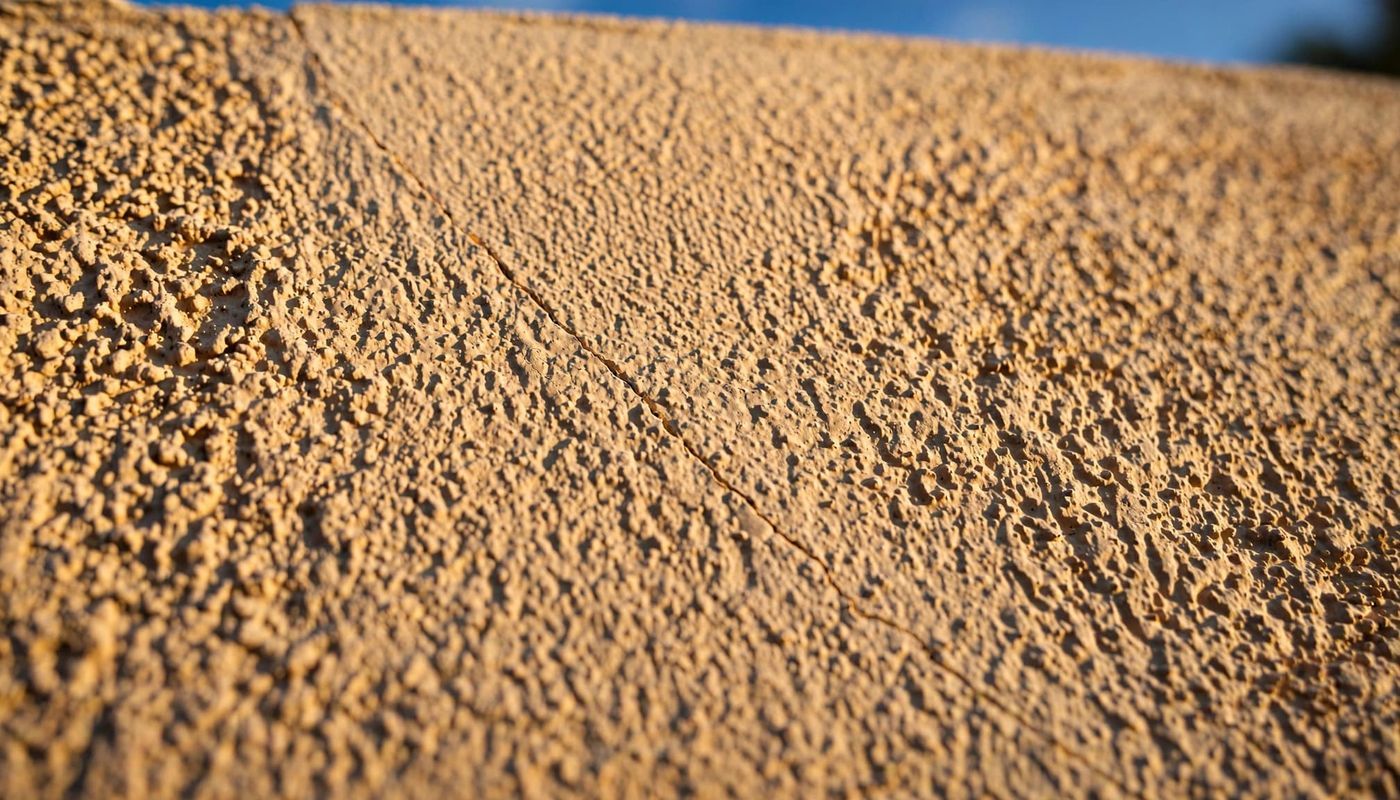
A shallow, stable hairline crack may appear on sun-facing walls or around corners and stay dry through seasonal changes. These minor flaws can be addressed during preparation before you paint. A hairline crack should remain narrow, with solid surrounding stucco and no staining or widening.
Cracks That Mean Water Is Already Getting In
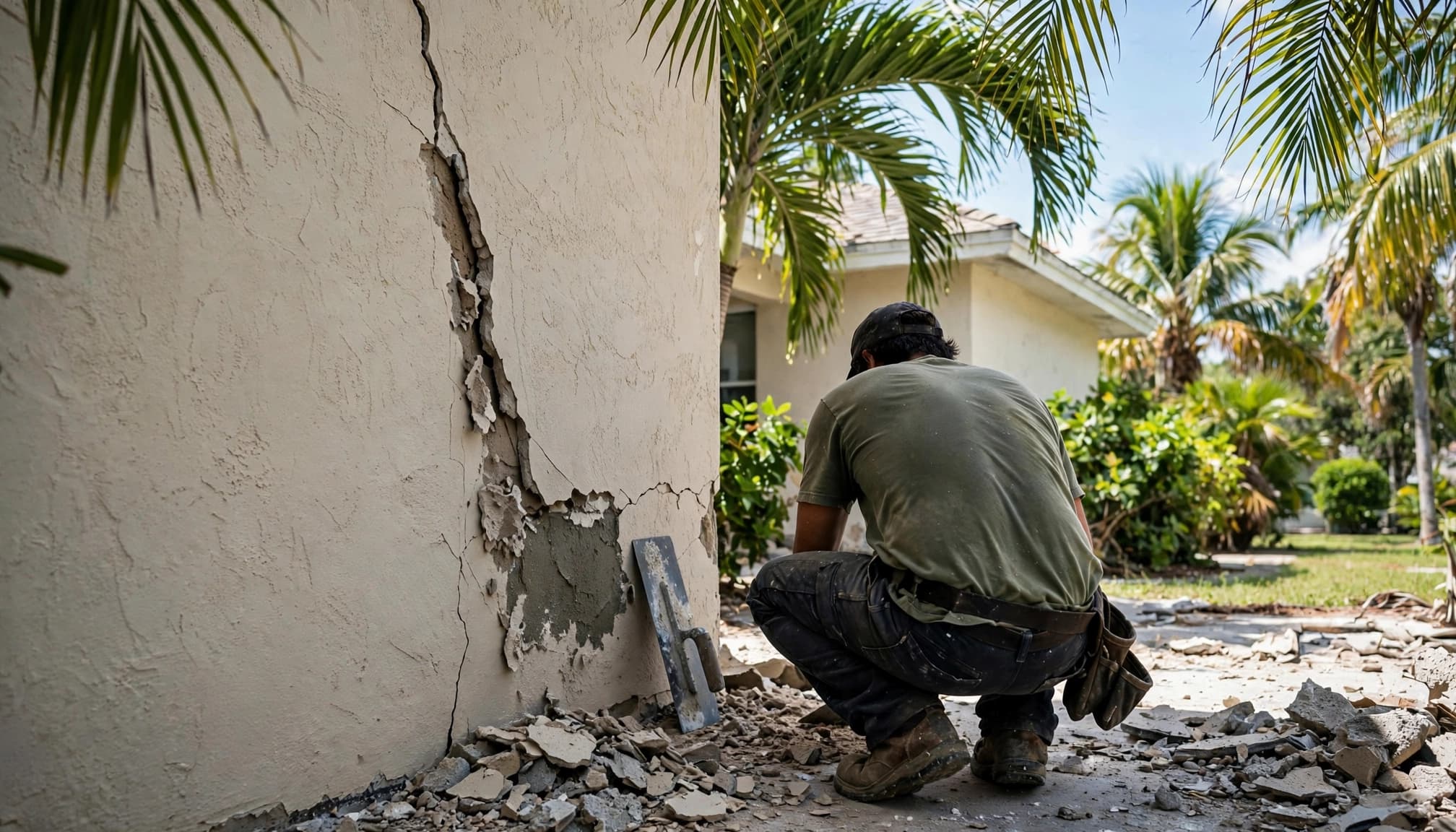
Some exterior flaws need more than a cosmetic touch-up. Watch for cracks that return after earlier patching, dark stains, or streaks down the wall. Bubbling finishes, loose or hollow-sounding stucco, and crumbling edges are also warning signs. A structural crack can affect the wall assembly, though many cracks remain limited to the finish. Signs of moisture intrusion or an active crack need professional assessment before anyone applies a surface fix. A suspected structural crack may also require stucco repair before coatings go on. New paint won’t restore a failing substrate. Fine openings can let water in and widen as temperatures change.
How to Fix Stucco Cracks Before Painting So the Work Holds
A clear sequence helps a stucco crack hold up: inspect the wall, remove loose material, fill the damage, and match the finish. Joey Vumbaco and Jay McGarrity manage projects across Tampa Bay using proven trade standards. If you are planning an exterior update, explore stucco repair services in Tampa Bay to learn how proper patching protects your home.
Clearing the Loose Material and Prepping the Area First
Crews inspect the affected area and test whether the nearby stucco is sound. Cleaning removes loose stucco, failing filler, dirt, flaking coating, and old patches with lifted edges. For narrow gaps, crews may use caulk after removing loose material and checking the substrate. This preparation and drying time should follow the product instructions.
Filling the Crack and Matching the Stucco Texture
The crack repair method depends on the damage. Compatible caulk or sealant may work for a narrow stucco crack, while broader or loose areas need a stucco patch made for the surface. Crews fill and reinforce each damaged area, then match its texture to the surrounding finish. For properties in Pinellas County, expert stucco texturing services can help match the patch’s texture to the existing wall. Exact results depend on the original surface’s age, finish, and condition.
Priming and Painting Over the Repaired Stucco
Allow each patch to cure for the period listed by the product manufacturer. Fresh stucco or patched block needs an alkali-resistant primer before paint to help the wall absorb the coating evenly. Choose a stain-blocking primer when the product instructions call for it, and coat the wall only when it’s dry. Repaired stucco needs time to cure fully, and a heavy-bodied paint can help blend the patch. Curb Appeal Pros can coat the exterior after patching for a consistent finish.
Painting Over Cracks Instead of Repairing Them: What It Really Costs
Skipping work to save time and applying paint directly over damaged areas can lead to repeat costs. A fresh coat of paint may look like a sealer, but an open crack can keep moving beneath it. The result can require more work later.
Why the Damage Can Return
Painting over an active crack doesn’t address its cause. Some openings let rain and humidity reach the substrate, where moisture can damage the stucco and worsen recurring movement. If the same spot fails twice, ask whether a structural crack or another underlying issue needs attention before another repair.
What the Estimate Should Spell Out for You
A clear written estimate should list each area that needs attention and explain the preparation required for bare spots. It should also state how past patches will be handled, whether caulk is included where appropriate, whether signs of water damage are suspected, and what painting work follows. Knowing what’s covered before work starts gives property owners peace of mind. If you’re ready to review your exterior, schedule a consultation to discuss stucco repair in Palm Harbor. Curb Appeal Pros offers free estimates and transparent pricing.
Stucco Cracks and Florida Weather in Palm Harbor and Tampa Bay
The local climate puts extra demands on exterior walls. Knowing how sun, rain, and humidity affect stucco helps homeowners protect their property year-round.
Why Sun, Rain, and Humidity Wear Cracks Open Faster
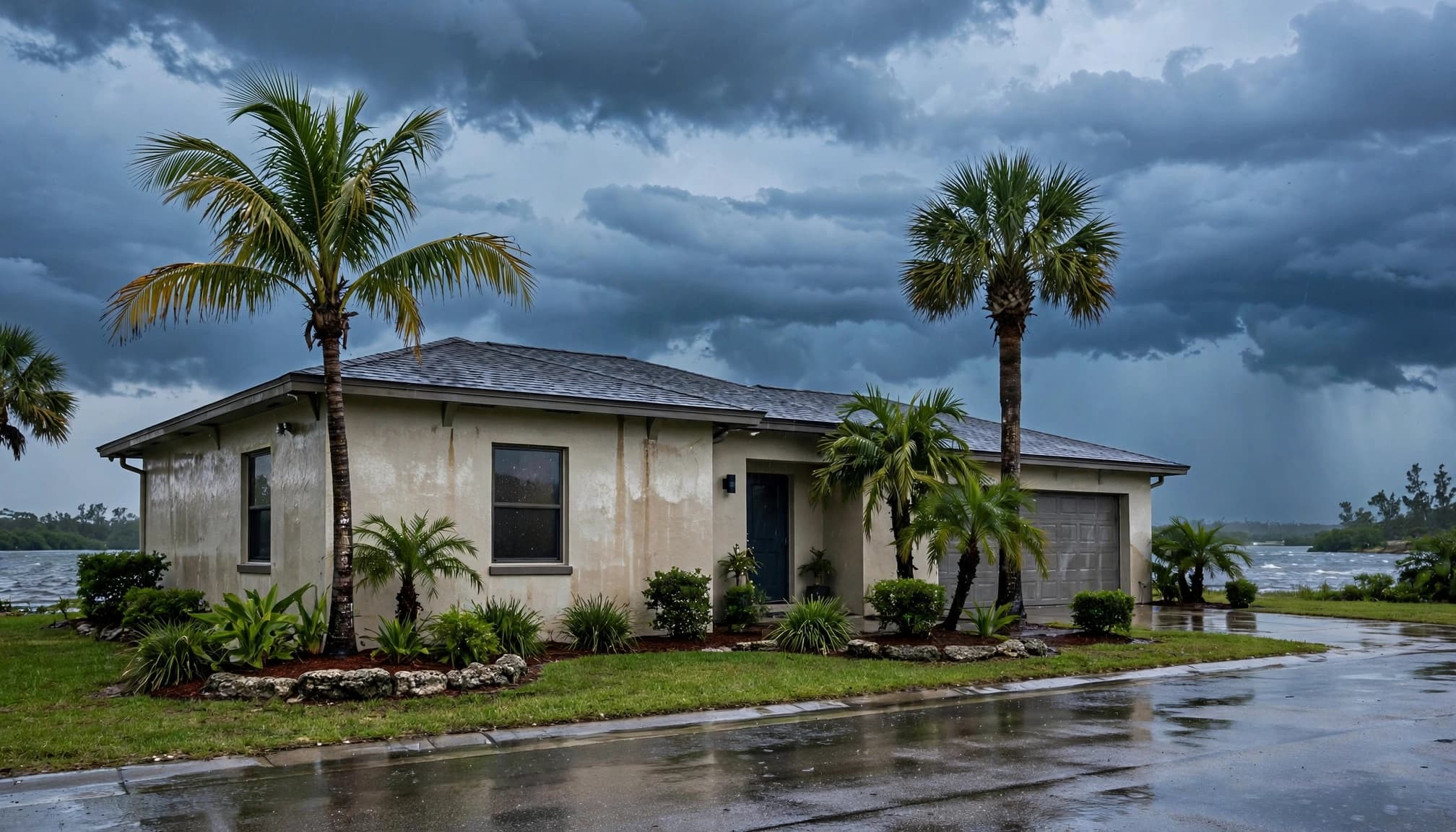
Strong sun and repeated wet and dry cycles can stress stucco, while storm-season rain can push moisture into openings. An active crack can widen under repeated weather exposure. Acrylic latex or elastomeric coatings can suit stucco and concrete block when the substrate is sound. Choose paint rated for the wall and follow its instructions. Suitable paint can resist weathering, but it won’t replace a needed repair. Before exterior painting, confirm the wall is sound and address moisture intrusion. Ask a contractor to assess an active crack that keeps reopening or may be a structural crack. Well-maintained stucco holds up better in this climate and protects the home.
Simple Exterior Checks Between Paint Jobs
Homeowners can inspect exterior walls between major maintenance visits. After cleaning accessible areas, check the walls once they’ve dried after heavy rain. Note new stains, damaged sealant, flaking finish, and changes around previous fixes. Check caulk at joints for gaps, and keep gutters clear so runoff doesn’t soak the same wall repeatedly. Trim plants away from stucco, and ask a contractor to assess any previous fix that changes or opens again.
Frequently Asked Questions About Stucco Cracks and Painting
Can small stucco cracks be repaired before painting?
Small cracks can often be fixed before painting if the surrounding wall is sound and the crack is stable. A suitable repair material must cure fully before the area is painted.
Does new paint fix water-damaged stucco?
New paint doesn’t fix water-damaged stucco. It can hide a stain temporarily, but it won’t stop water from entering the wall or restore damaged material.
Will a patch match the rest of my wall?
A stucco patch can blend with the rest of the wall when its finish and edges match the existing surface. The result depends on the age, finish, and condition of the original wall.
Does the entire wall need to be replaced?
The entire wall rarely needs replacement for standard cracking or localized damage. Most problems need only localized work and careful surface work.
Conclusion
Address the cause first, then repair the wall before you paint. Curb Appeal Pros offers evaluations, expert repairs, and quality finishes tailored to Tampa Bay homes. Call (727) 222 – 1399 to schedule a free estimate and exterior walk-around when you’re ready.